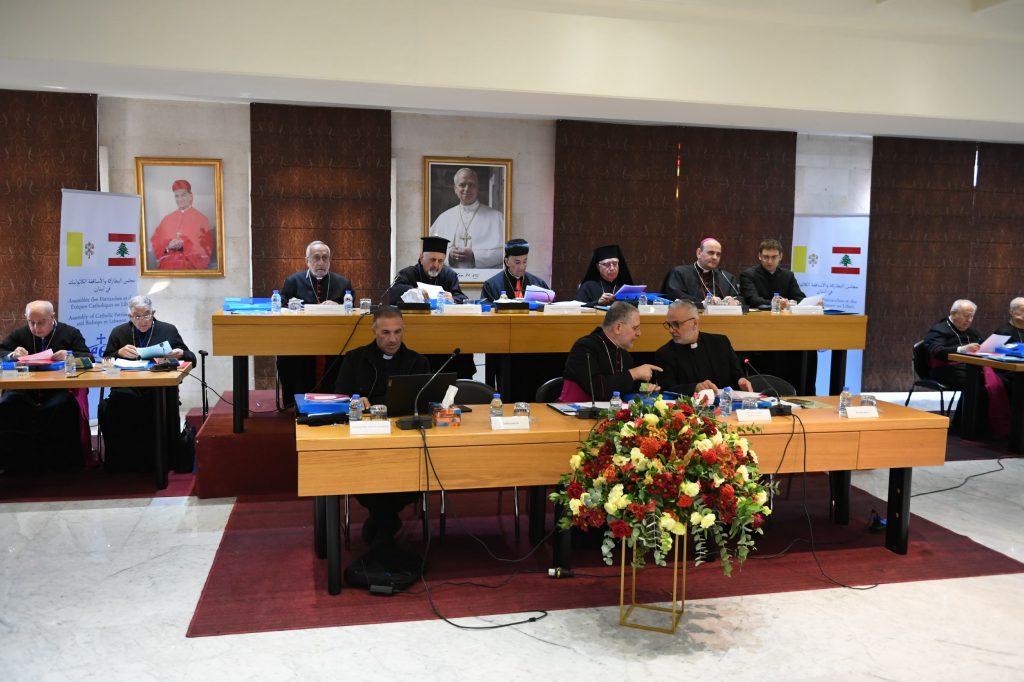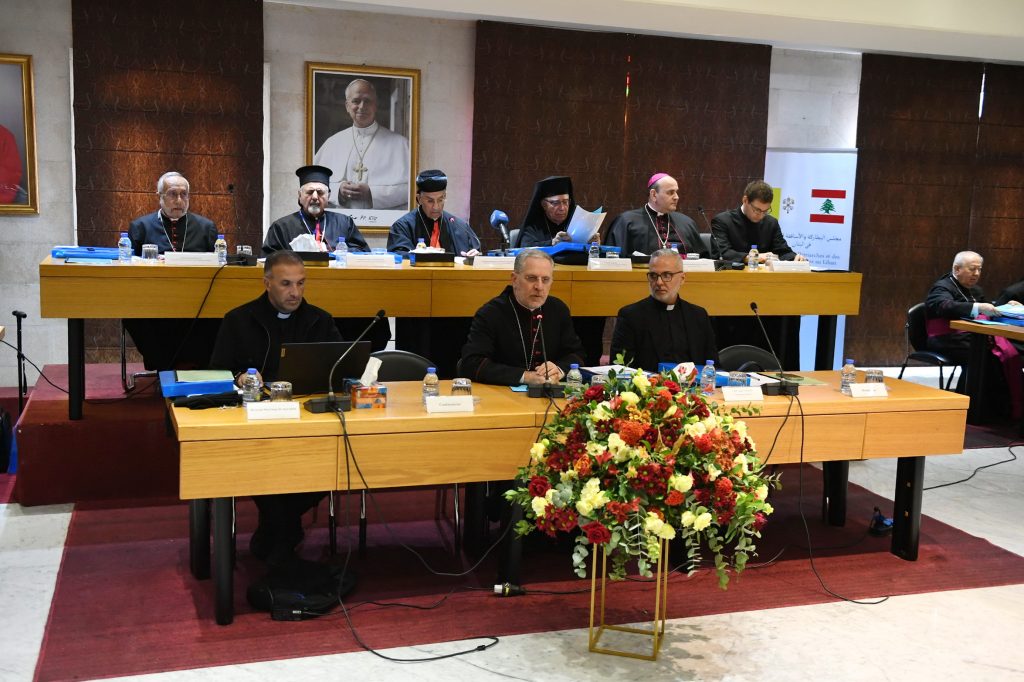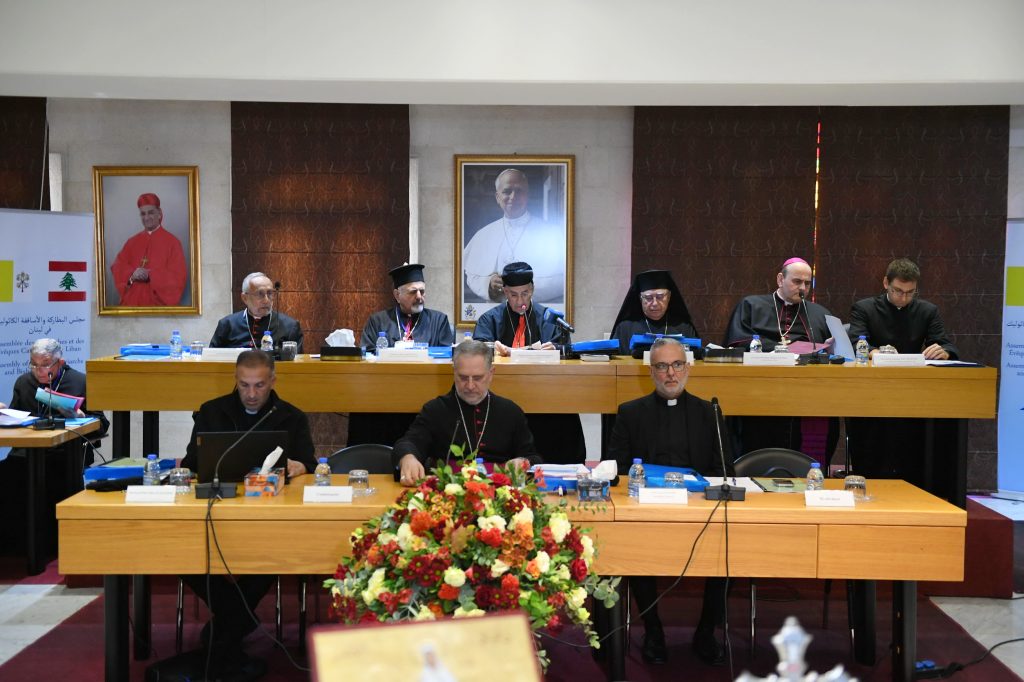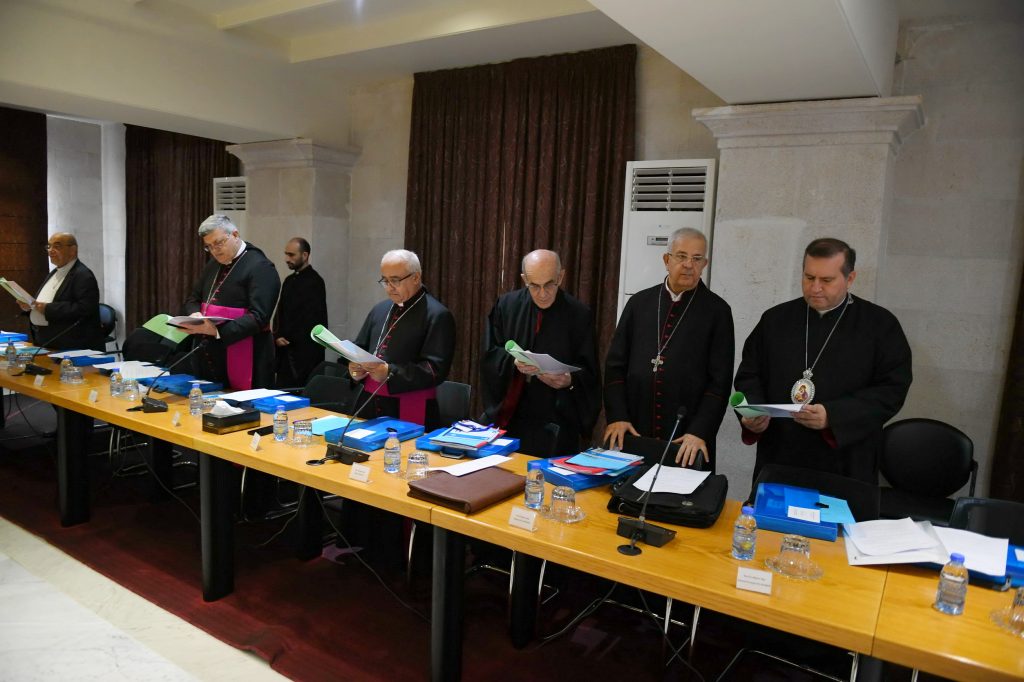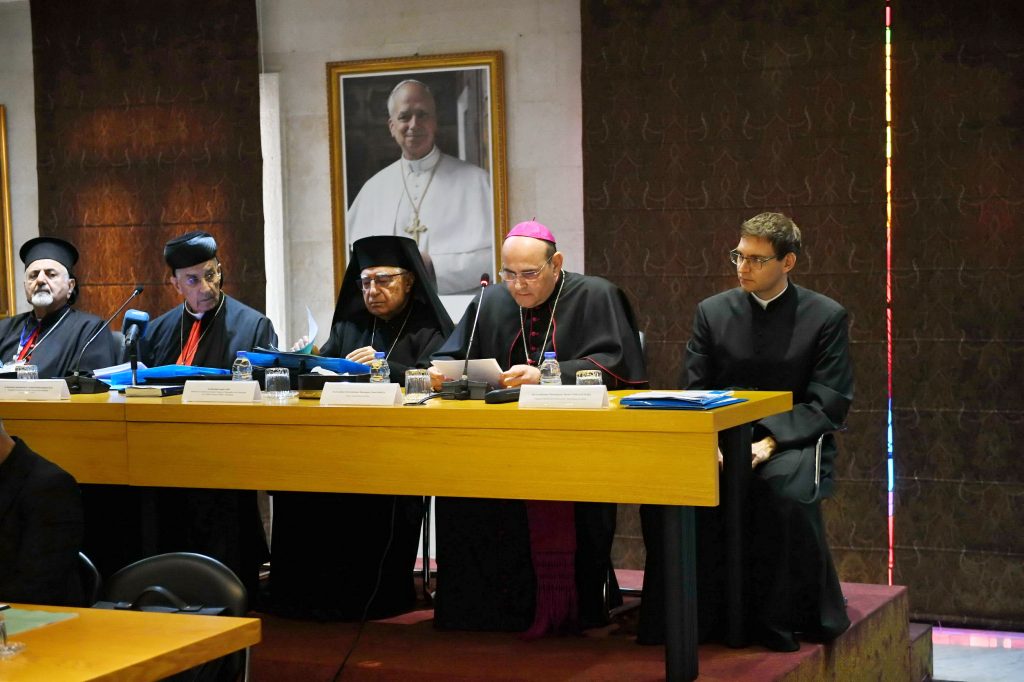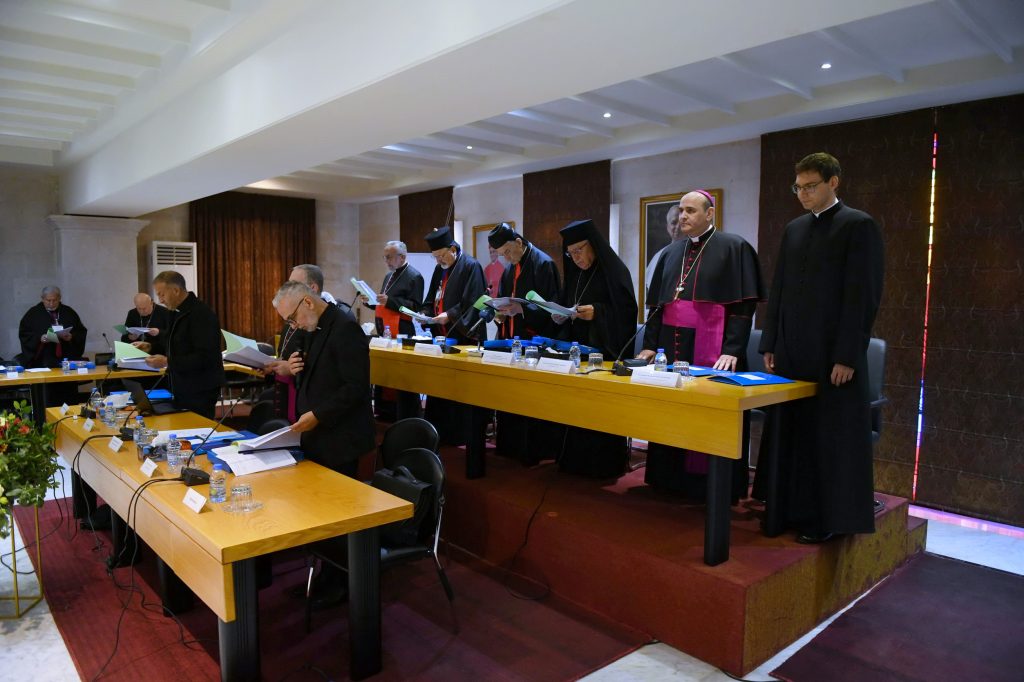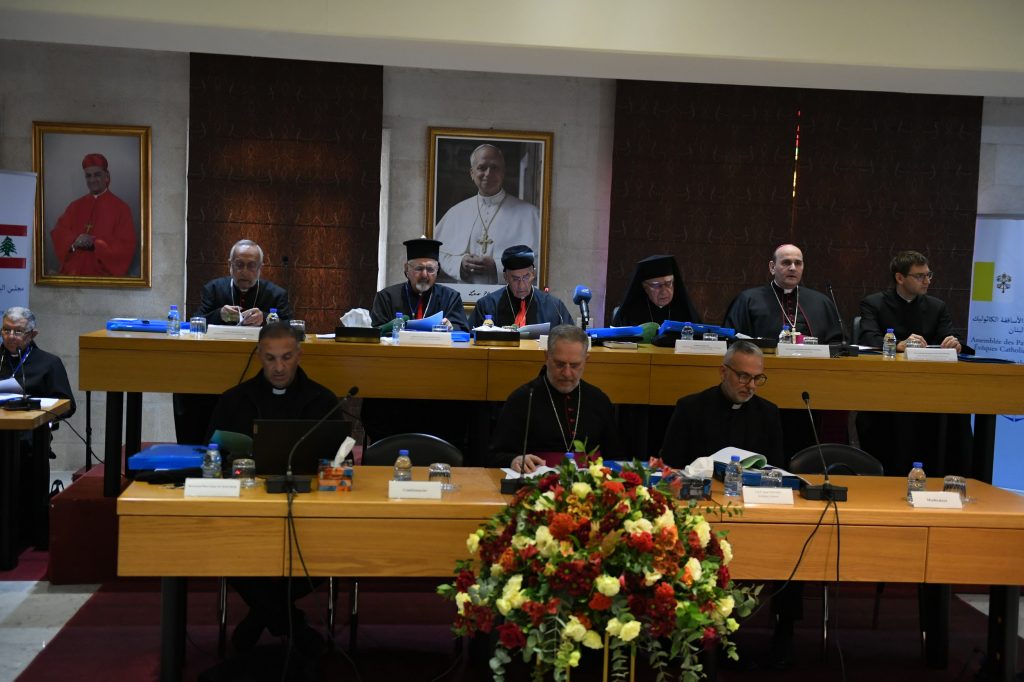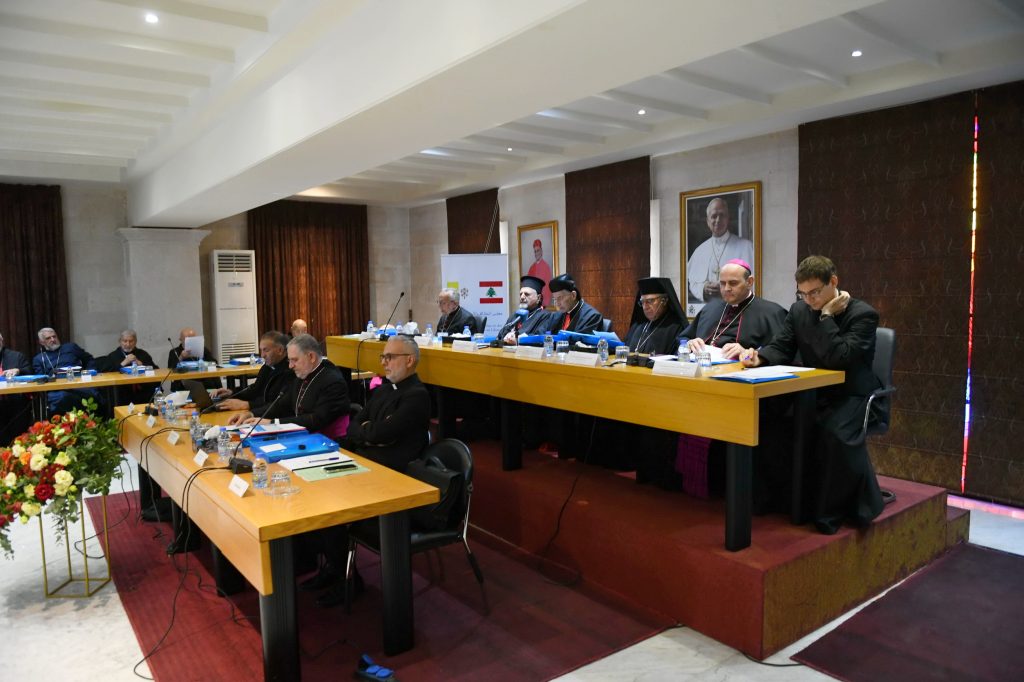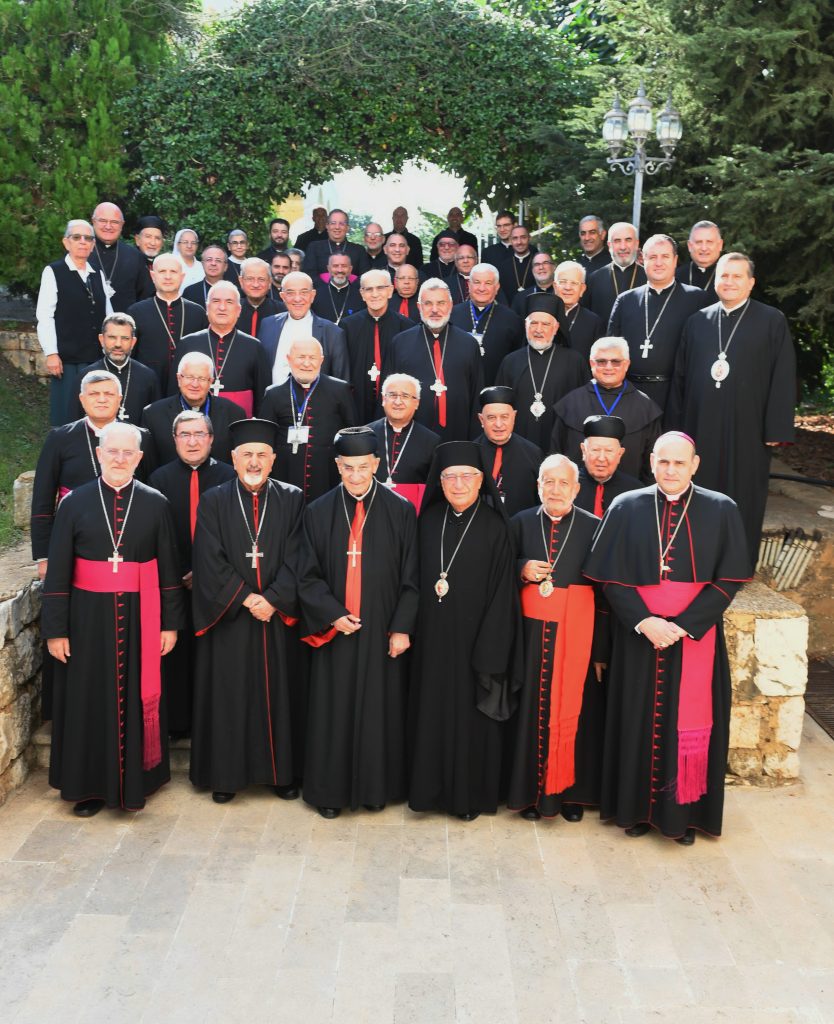

الموضـوع العام: “كنيسة سينودسية تُصغي بإيمان، تُميز بحكمة وتتحرك بإلهام الرّوح”
الــزمــان: من الإثنين 10 إلى الجمعة 14 تشرين الثاني 2025.
المـكـان: مقرّ مجلس البطاركة والأساقفة الكاثوليك في لبنان – بكركي.
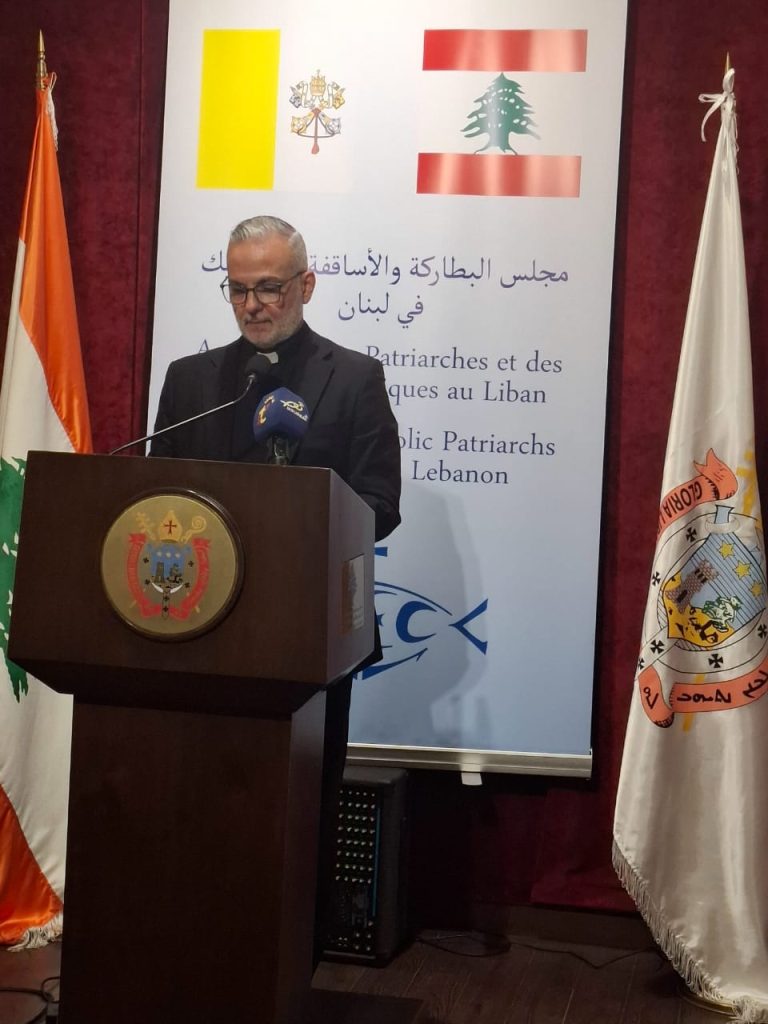
كلمة صاحب الغبطة والنيافة الكردينال مار بشاره بطرس الراعي في افتتاح دورة مجلس البطاركة والأساقفة الكاثوليك في لبنان
الاثنين 10 تشرين الثاني 2025
إخواني أصحاب الغبطة الكلِّيّي الطوبى،
سيادة السفير البابوي السّامي الاحترام،
السّادة المطارنة الأجلّاء،
قدس الرؤساء والرئيسات العامّين، والإقليميّين السّامي احترامهم،
الآباء والرهبان والراهبات والإخوة والأخوات الأحبّاء،
- باسم المسيح وتحت أنوار الروح القدس نفتتح دورة مجلسنا الثامنة والخمسين العادية، بعنوان: “نحو كنيسة أكثر سينودسية تُصغي بإيمان، تميّز بحكمة، وتتحرّك بإلهام الروح”.
بهذه الروح السينودسية،
يسعدني في البدء أن أرحّب، باسم هذا المجلس، بالأعضاء العشرة الجدد، وهم:
- سيادة المطران يوحنا رفيق الورشا، النائب البطريركي العام على نيابة جونيه البطريركية المارونية.
- سيادة المطران ميخائيل فرحا، متروبوليت بعلبك للروم الملكيين الكاثوليك.
- حضرة المونسنيور ماشدوتس زختريان، النائب البطريركي لجمعية كهنة بزمار البطريركية، رئيس دير سيدة بزمار.
- قدس الأب الياس سليمان، الرئيس العام لجمعية المرسلين اللبنانيين الموارنة.
- حضرة الأرشمندريت أنطوان رزق، الرئيس العام للرهبانية الباسيلية المخلّصية.
- حضرة الأب عبدو ميخائيل عبدو، الرئيس الإقليمي للآباء الكرمليين.
- حضرة الأم كلاديس الصبّاغ، الرئيسة العامة للرهبانية الباسيلية المخلّصية.
- حضرة الأم إتيان جرجس، الرئيسة العامة لجمعية راهبات القديسة تريزيا الطفل يسوع المارونيات.
- حضرة الأم كليمنص حداد، الممثّلة الرسمية لراهبات العائلة المقدسة الفرنسية.
- حضرة الأب جان يونس، م.ل.، الأمين العام للمجلس.
وأشكرهم سلفًا على عملهم في هذا المجلس لمجد الله، وخير الكنائس التي يمثّلونها.
- ونشكر الأعضاء السبعة الذين أنهوا خدمتهم في هذا المجلس، وهم:
- قدس الأب مارون مبارك، الرئيس العام لجمعية المرسلين اللبنانيين الموارنة سابقًا.
- حضرة الأرشمندريت أنطوان ديب، الرئيس العام للرهبانية الباسيلية المخلّصية سابقًا.
- حضرة الأب عبدالله نوفيلي، رئيس شبه إقليم الشرق الأوسط للرهبنة الكبوشية سابقًا.
- حضرة الأم ماري أنطوانيت سعادة، الرئيسة العامة لجمعية راهبات العائلة المقدسة المارونيات.
- حضرة الأم ندى طانيوس، الرئيسة العامة للرهبانية الباسيلية الشويرية.
- حضرة الأم لوريس عبيد، الرئيسة الإقليمية لراهبات المحبة للقديس فانسان دو بول، خادمات الفقراء.
- حضرة الأب كلود ندره، ر.ل.م.، الأمين العام للمجلس سابقًا.
- إليكم برنامج الدورة مع بعض التّعديل:
اليوم الاثنين، يتم افتتاح الدورة مع بعض الشؤون الإدارية، والنظام الداخلي للّجنة المختصّة بحماية القاصرين والبالغين الضعفاء. يوم الثلاثاء مخصّص لموضوع الدورة: “نحو كنيسة أكثر سينودسية تُصغي بإيمان، تميّز بحكمة، وتتحرّك بإلهام الروح”، بالإضافة إلى عرض برنامج زيارة قداسة البابا الرسولية إلى لبنان. يوم الأربعاء إقرار النظام الداخلي الجديد للمجلس مع آلية التنفيذ وتشكيل اللجان الأسقفية واللجان المختصّة الجديدة. أمّا يوم الخميس، فتُنزع منه انتخابات رابطة كاريتاس لكي تحصل مع النظر في تجديد نظامها. ويبقى برنامج يوم الجمعة كما هو.
- بالنسبة إلى زيارة قداسة البابا لاوون الرابع عشر الرسولية إلى لبنان، وبالإضافة إلى ما قاله سيادة المطران ميشال عون، منسّق الزيارة، لا بدّ من إضافة أمرين:
أوّلًا، الدعوة لقرع الأجراس في جميع الكنائس والأديار الكاثوليكيّة في لبنان، ساعة وصول قداسته إلى بيروت، يوم الأحد 30 تشرين الثاني، الساعة 15،45 (أي الرابعة إلّا ربعًا)، لمدّة خمس دقائق.
ثانيًا، إقامة ثلاثيّة صلاة وسجود للقربان المقدّس أيام الخميس 27، والجمعة 28، والسبت 29 تشرين الثاني، على نيّة نجاح زيارة قداسة البابا، والتماس نعمة إحلال السلام العادل والدائم في لبنان وبلدان الشرق الأوسط.
نتمنّى لدورة هذا المجلس النجاح مع ثماره الروحية والكنسية.
شكرًا لإصغائكم!
* * * * * *
Address of His Beatitude and Eminence Cardinal Mar Bechara Boutros Al-Rahi
At the Opening of the Session of the
Assembly of Catholic Patriarchs and Bishops in Lebanon
Monday, November 10, 2025
Brothers, Your Beatitudes,
Your Excellency the Apostolic Nuncio,
Most Reverend Bishops,
Reverend Superiors General and Regional Superiors,
Dear Fathers, Nuns, Brothers, and Sisters,
- In the name of Christ and under the guidance of the Holy Spirit, we hereby declare the opening of the fifty-eighth ordinary session of our Assembly, entitled: “Toward a more Synodal Church that listens with faith, discerns with wisdom, and acts by the inspiration of the Spirit.”
With this spirit of synodality, I am honored to begin by welcoming, on behalf of this Assembly, the ten new members elected to serve among us, namely:
- Bishop John Rafic Warsha, Patriarchal Vicar General for the Maronite Patriarchal Vicariate of Jounieh.
- Bishop Michael Farha, Metropolitan of Baalbek for the Melkite Greek Catholics.
- Monsignor Mashdots Zakhtarian, Patriarchal Vicar of the Congregation of Bzommar Priests, Superior of Our Lady of Bzommar Monastery.
- Father Elias Sleiman, Superior General of the Congregation of Maronite Lebanese Missionaries.
- Archimandrite Antoine Rizk, Superior General of the Basilian Salvatorian Order.
- Father Abdo Michael Abdo, Regional Superior of the Carmelite Fathers.
- Mother Gladys Sabbagh, Superior General of the Basilian Salvatorian Sisters.
- Mother Etienne Gerges, Superior General of the Congregation of Maronite Sisters of St. Thérèse of the Child Jesus.
- Sister Clemence Haddad, official representative of the Sisters of the French Holy Family.
- Father Jean Younes, M.L., Secretary General of the Assembly.
I extend my sincere gratitude in advance to these esteemed members for their dedicated service to this Assembly, for the glory of God and the service of the Churches they represent.
Furthermore, we express our appreciation to the seven members who have completed their service in this Assembly:
- Father Maroun Mubarak, former Superior General of the Congregation of Maronite Lebanese Missionaries.
- Archimandrite Antoine Dib, former Superior General of the Basilian Salvatorian Order.
- Father Abdallah Noufaily, former Superior of the Middle East Region of the Capuchin Order.
- Mother Marie Antoinette Saadeh, Superior General of the Congregation of Maronite Sisters of the Holy Family.
- Mother Nada Tanios, Superior General of the Basilian Choueirite Order.
- Mother Louris Obeid, Regional Superior of the Sisters of Charity of St. Vincent de Paul, Servants of the Poor.
- Father Claude Nadra, O.L.M., former Secretary General of the Assembly.
Below is the program for this session, with some modifications:
Monday: Opening of the session, including administrative matters and the adoption of the internal regulations for the committee responsible for the protection of minors and vulnerable adults.
Tuesday: Dedicated to the theme of the session: “Toward a More Synodal Church that Listens with Faith, Discerns with Wisdom, and Acts by the Inspiration of the Spirit,” alongside the presentation of the program for the Apostolic Visit of His Holiness the Pope to Lebanon.
Wednesday: Adoption of the new internal regulations of the Assembly, including mechanisms for implementation, and the formation of episcopal and specialized committees.
Thursday: Elections for Caritas Lebanon, along with a review of its statutes.
Friday: The program remains unchanged.
Regarding the Apostolic Visit of His Holiness Pope Leo XIV to Lebanon, and in addition to the remarks made by Bishop Michel Aoun, Coordinator of the visit, the following points should be noted:
- First, a call to ring the bells in all Catholic churches and monasteries in Lebanon at the time of His Holiness’s arrival in Beirut, on Sunday, November 30, at 15:45 (3:45 p.m.), for five minutes.
- Second, the organization of a Triduum of prayer and Eucharistic adoration on Thursday 27, Friday 28, and Saturday 29 November, dedicated to the success of the Pope’s visit, and to implore divine grace for the establishment of a just, lasting, and fraternal peace in Lebanon and throughout the Middle East.
May this Assembly session be marked by success and bear spiritual and ecclesial fruits.
Thank you for your attentive listening.
* * * * * *
Allocution de Sa Béatitude et Éminence le Cardinal Mar Béchara Boutros Raï
À l’ouverture de la session de
L’Assemblée des Patriarches et des Évêques Catholiques au Liban
Lundi 10 novembre 2025
Frères,
Béatitudes,
Son Excellence le Nonce Apostolique,
Excellences Évêques,
Révérends Supérieurs généraux et provinciaux,
Révérendes Supérieures générales et provinciales
Chers Pères, Moines, Religieuses, Frères et Sœurs bien-aimés,
- Au nom du Christ, et sous l’inspiration divine du Saint-Esprit, j’ai l’honneur de déclarer ouverte la cinquante-huitième session ordinaire de notre Conseil, placée sous le thème : « Vers une Église plus synodale qui écoute avec foi, discerne avec sagesse et agit sous l’inspiration de l’Esprit. »
Dans cet esprit de communion et de discernement, Je tiens à exprimer ma profonde gratitude à tous les membres, anciens et nouveaux, pour leur dévouement et leur engagement au service de l’Église et du Peuple de Dieu dans notre région.
Dans cet esprit synodal, je souhaite la bienvenue, au nom de cette Assemblée, aux dix nouveaux membres :
- Monseigneur Jean Rafic Warsha, Vicaire patriarcal général pour la Vicairie patriarcale maronite de Jounieh.
- Monseigneur Michel Farha, Métropolite de Baalbek pour les Grecs melkites catholiques.
- Monseigneur Mashdots Zakhtarian, Vicaire patriarcal de la Congrégation des Prêtres de Bzommar, Supérieur du Monastère Notre-Dame de Bzommar.
- Père Elias Sleiman, Supérieur général de la Congrégation des Missionnaires Libanais Maronites.
- Archimandrite Antoine Rizk, Supérieur général de l’Ordre Basilien Salvatorien.
- Père Abdo Michel Abdo, Supérieur régional des Pères Carmes.
- Mère Gladys Sabbagh, Supérieure générale des Sœurs Basiliennes Salvatoriennes.
- Mère Étienne Gerges, Supérieure générale de la Congrégation des Sœurs Maronites de Sainte Thérèse de l’Enfant Jésus.
- Sœur Clémence Haddad, représentante officielle des Sœurs de la Sainte Famille française.
- Père Jean Younes, M.L., Secrétaire général de l’Assemblée.
Je leur adresse mes remerciements anticipés pour leur dévouement et leur collaboration dans le cadre de cette Assemblée, afin que, par la grâce de Dieu, cette rencontre porte des fruits spirituels et ecclésiaux pour la gloire divine et l’édification de nos communautés.
Je tiens également à saluer et à rendre hommage aux sept membres qui ont achevé leur mandat au sein de ce Conseil :
- Père Maroun Moubarak, ancien Supérieur général de la Congrégation des Missionnaires Libanais Maronites.
- Archimandrite Antoine Dib, ancien Supérieur général de l’Ordre Basilien Salvatorien.
- Père Abdallah Noufaily, ancien Supérieur du quasi-région du Moyen-Orient de l’Ordre des Capucins.
- Mère Marie Antoinette Saadeh, Supérieure générale de la Congrégation des Sœurs Maronites de la Sainte Famille.
- Mère Nada Tanios, Supérieure générale de l’Ordre Basilien Choueirite.
- Mère Laurice Obeid, Supérieure régionale des Sœurs de la Charité de Saint Vincent de Paul, Servantes des Pauvres.
- Père Claude Nadra, O.L.M., ancien Secrétaire général de l’Assemblée.
Voici le programme de cette session, modifié selon les nécessités :
Lundi : Ouverture officielle, questions administratives, adoption du règlement intérieur du comité chargé de la protection des mineurs et des personnes vulnérables.
Mardi : Thème central : “Vers une Église plus synodale, qui écoute avec foi, distingue avec sagesse et agit sous l’inspiration de l’Esprit“, et présentation du programme du Voyage Apostolique de Sa Sainteté le Pape au Liban.
Mercredi : Adoption du nouveau règlement intérieur de l’Assemblée, définition des mécanismes de mise en œuvre, formation des commissions épiscopales et des commissions spécialisées nouvelles.
Jeudi : Suspension de la réunion des membres de l’Association Caritas pour étude du renouvellement de ses statuts.
Vendredi : Programme inchangé.
Concernant le Voyage Apostolique de Sa Sainteté le Pape Léon XIV au Liban, et en complément des propos de Son Excellence Monseigneur Michel Aoun, coordinateur du Voyage, deux points essentiels doivent être ajoutés :
- Primo, l’appel à sonner les cloches dans toutes les églises et monastères catholiques du Liban lors de l’arrivée de Sa Sainteté à Beyrouth, le dimanche 30 novembre, à 15h45 (quatre heures moins le quart), pendant cinq minutes.
- Secundo, l’organisation d’un triduum de prières et de veillée eucharistique, les jeudi 27, vendredi 28 et samedi 29 novembre, à l’intention du succès de de Voyage, et de la grâce d’instaurer une paix juste, durable et fraternelle en Liban et dans toute la région du Moyen-Orient.
Que cette session vive une réussite éclatante, portant ses fruits dans la vie spirituelle et ecclésiale de nos communautés.
Je vous remercie de votre attention et de votre engagement dans la poursuite de cette noble mission.
كلمة صاحب السيادة المطران باولو بورجيا السفير البابوي في لبنان
في افتتاح الدورة الثامنة والخمسين لمجلس البطاركة والأساقفة الكاثوليك في لبنان
بكركي، في 10 تشرين الثاني 2025
صاحب الغبطة والنيافة الكاردينال مار بشارة بطرس الراعي، بطريرك انطاكيا وسائر المشرق للموارنة ورئيس مجلس البطاركة والأساقفة الكاثوليك في لبنان،
أصحاب الغبطة البطاركة،
أصحاب السيادة الأساقفة،
الآباء الموقرون،
الأخوات المكرّسات،
الإخوة والأخوات الأعزاء،
أتوجّه إليكم بخالص الشكر على دعوتكم لي للمشاركة في افتتاح الدورة العادية الثامنة والخمسين لجمعية البطاركة والأساقفة الكاثوليك في لبنان، ويسرّني أن أكون بينكم ممثّلًا للأب الأقدس البابا لاون الرابع عشر، لأُعبّر، ومن خلال حضوري، عن رباط الشركة والمحبة الذي يوحّد كنائسكم بكنيسة روما، ولأُسهم في توطيده وتعزيزه.
وأودّ أن أنقل إلى الجميع تحيّة قداسة البابا لاون: “السلام لكم”، وهي عينها التحية التي وجّهها إلى المؤمنين والعالم أجمع فور انتخابه على كرسي بطرس في الثامن من أيار الماضي. إنّه سلام المسيح القائم من بين الأموات، ذاك السلام الذي، بقوة المحبة، يبدّل القلوب ويغيّر وجه العالم، حاملاً الحياة والرجاء حيث يبدو ان الحقد والانقسامات والصراعات الصغيرة والكبيرة، أو حتى الحروب، وكأنّها تلتهم كل ما هو صالح وعادل وجميل. إنّه السلام الذي يمنحنا إيّاه المسيح ويأتمننا عليه، لكي نحمله بدورنا إلى العالم، فنغدو، على مثاله، صنّاع سلام.
“طوبى لصانعي السلام” هو الشعار الذي اختارته الكنيسة اللبنانية لاستقبال الأب الأقدس في زيارته الرسولية المرتقبة إلى لبنان، وهي الأولى في حبريته. فلتكن هذه الكلمات صلاةً ورجاءً في آنٍ معًا، لكي تُسهم هذه الزيارة في مساعدة لبنان ومنطقة الشرق الأوسط بأسرها على بلوغ السلام المنشود. غير أنّ كلمات الرب يسوع ليست مجرّد تمنٍّ. هي أيضًا دعوة والتزام، موجّهان أولًا إلى الكنيسة ذاتها لكي تعمل من أجل السلام، بدءًا من داخلها.
لقد نُشر برنامج الزيارة قبل نحو عشرة أيام، وهو يتضمّن لقاءات رسمية وراعوية. وستُقام ذبيحة إلهية احتفالية كبرى في بيروت. أمّا اللقاءات الراعوية، التي ستجمع الأساقفة والكهنة والرهبان والعاملين في الحقل الراعوي، فستضمّ الكنيسة اللبنانية بكل طقوسها، في شهادة حيّة لوحدتها وشركتها. وسيُعقد كذلك لقاء مسكوني وحوار بين الأديان يجمع القادة الروحيين في هذا الوطن، ليُبرز صورة لبنان الحقيقية: وطن التعدّدية والعيش معاً، وما هو مدعوّ إلى ان يكونه على الدوام، أي وطن الوحدة والاحترام والتلاقي.
وقد شاء الأب الأقدس أيضًا أن يولي اهتمامًا خاصًا لواقع الألم والحاجة، من خلال زيارة قصيرة إلى مستشفى الصليب، الذي يشكّل، بخصائصه ورسالة خدمته، علامة فريدة ليس في لبنان فحسب، بل في الشرق الأوسط بأسره. كذلك سيزور الأب الأقدس موقع انفجار مرفأ بيروت، حيث سيرفع صلاة صامتة عن أرواح جميع ضحايا الرابع من آب وعائلاتهم.
وأخيرًا، وللمرة الأولى في التاريخ، سيتوجّه حبر أعظم إلى عنايا للصلاة على ضريح القديس شربل من أجل لبنان والكنيسة اللبنانية. وكما قلت لقداسة البابا خلال لقائي الأخير معه، فإنّ القديس شربل، بما له من إشعاع عالمي واسع، بات يمثّل، إلى جانب الأرزة، أحد أبرز رموز لبنان. فالجميع، على اختلاف أديانهم، يلتمسون شفاعته، كما أنّ مثال حياته القدسيَّة يبقى مصدر إلهام وسلام لكثيرين. وإنّي لفرِح لكون قداسة البابا سيقوم بما سيكون بحق حجًّا روحيًا إلى ضريح القديس اللبناني، وأنا على يقين أنّكم تشاركونني هذا الشعور.
وانطلاقًا من أهمية هذه الزيارة التاريخية، ومن مكانة عنايا كمركز روحي للبنان ذي بُعد عالمي، أسمح لنفسي بأن أتقدّم بالاقتراحين التاليين:
– إعلان عنايا مزارًا وطنيًا، بعد إقرار قوانينه الأساسية، ومن ثم رفع طلب إلى الكرسي الرسولي لمنحه صفة المزار الدولي؛
– أن يتقدّم صاحب السيادة المحلي بطلب رفع كنيسة عنايا إلى رتبة بازيليك صغرى، لما يرتبط بذلك من نعم روحية وخيرات رعوية للجموع الكبيرة من المؤمنين الذين يؤمّونها، ولما لها من رابطة خاصة بالأب الأقدس، سواء بسبب زيارته التاريخية، أم لكون الرهبانية اللبنانية المارونية هي رهبانية ذات حق حبري.
لن أضيف أمرا آخر، تاركًا للأب الأقدس أن يخاطبكم بنفسه خلال زيارته المقبلة.
ويسرّني أيضًا أن يرافقني اليوم معاوني الجديد، أمين سرّ السفارة الرسولية، الأب جاكوب توماشيفسكي، الذي خلف المونسنيور جوفاني بيكييري. وقد منحه الأب الأقدس لاون الرابع عشر، قبل أيام قليلة، لقب “مرشد لقداسة البابا”، أيّ رتبة مونسنيور. فلنرفع له صلواتنا وأطيب التمنيات.
ولكم جميعًا أتمنّى أعمالًا مثمرة، ولترافقكم العذراء مريم، سيّدة لبنان، وتعضدكم خلال زمن العمل والتمييز هذا.
Address of His Excellency Monsignor Paolo BORGIA
Apostolic Nuncio to Lebanon
at the Opening of the 58th Session of the Assembly of Catholic Patriarchs and Bishops of Lebanon
Bkerké, November 10, 2025
Your Beatitude Cardinal Béchara Boutros RAÏ, Maronite Patriarch and President of the Assembly of Catholic Patriarchs and Bishops of Lebanon,
Your Beatitudes the Patriarchs,
Your Excellencies the Bishops,
Reverend Fathers,
Reverend Sisters,
Dear brothers and sisters,
I thank you for inviting me to participate in the opening of the 58th Ordinary Session of the Assembly of the Catholic Patriarchs and Bishops of Lebanon. I am pleased to be here among you as the representative of the Holy Father, Pope Leo XIV, in order to express and, through my presence, further strengthen that bond of communion and love which unites your Churches with the Church of Rome.
I wish to convey to all of you the greeting of Pope Leo: “Peace be with you,” the very greeting he addressed to the faithful and to the whole world immediately following his election to the See of Peter on the 8th of May. It is the peace of Christ, crucified and risen, which, through the power of love, transforms hearts and changes the world, bringing life and hope wherever hatred, divisions, conflicts great and small, or war itself seem to consume all that is good, just, and beautiful. It is the peace that Christ gives to us and entrusts to us, so that we, in turn, may bring it to the world by becoming, after His example, artisans of peace.
“Blessed are the peacemakers” is the motto chosen by the Lebanese Church to welcome the Holy Father during his forthcoming Apostolic Journey to Lebanon, the first of his Pontificate. May these words become both a prayer and a hope that this visit may help Lebanon and the entire Middle East region to rediscover the longed-for path of peace. Yet the words of Jesus are also a call to commitment, first and foremost for the Church herself, to labor for peace, beginning within her own midst.
The program of the visit, published some ten days ago, includes both official and pastoral engagements. A solemn Mass will be celebrated in Beirut. The pastoral encounters — with bishops, priests, religious, and pastoral workers — will gather together the entire Lebanese Church in all her various rites, thus offering a powerful witness to her unity and communion. There will also be an ecumenical and interreligious meeting bringing together the religious leaders of this country, presenting an image of what Lebanon truly is: a pluralistic and interfaith reality, and what it is called to remain — united, respectful, and marked by harmonious coexistence.
The Holy Father has also desired to give particular attention to the reality of suffering and need through a brief visit to the Cross Hospital, which, by virtue of its unique mission and characteristics, represents an exceptional institution not only in Lebanon but throughout the Middle East. The Holy Father will likewise visit the site of the Beirut Port explosion for a moment of silent prayer in memory of all the victims of the 4th of August and their families.
Finally, for the first time in history, a Roman Pontiff will travel to Annaya to pray at the tomb of Saint Charbel for Lebanon and for the Lebanese Church. As I recently told the Holy Father when I had the honor of meeting him, Saint Charbel, owing to his worldwide renown, has now become — together with the cedar — one of the foremost symbols of Lebanon. People everywhere invoke his intercession regardless of religion, just as the example of his holy life remains for many a source of inspiration and peace. I rejoice that the Pope will undertake what shall truly be a pilgrimage to the tomb of the Lebanese Saint, and I am certain that all of you share this sentiment.
In light of this historic visit and of the importance of Annaya as a spiritual center of Lebanon with worldwide significance, allow me respectfully to propose:
— that Annaya be declared a National Shrine, following the approval of its statutes, and that a request subsequently be submitted to the Holy See for its elevation to the rank of International Shrine;
— that the Local Ordinary present the petition for the Church of Annaya to be elevated to the dignity of a Minor Basilica, in consideration of the many spiritual benefits that such a designation would bring to the numerous faithful who journey there, as well as in recognition of its particular bond with the Holy Father, both because of his historic visit and because the Lebanese Maronite Order is an Order of Pontifical Right.
I shall add nothing further, leaving it to the Holy Father himself to address you during his forthcoming visit.
I am also pleased today to be accompanied by my new collaborator, the Secretary of the Apostolic Nunciature, Jakub Tomaszewski, who has succeeded Monsignor Giovanni Bicchierri. A few days ago, the Holy Father Leo XIV conferred upon him the title of Chaplain of His Holiness, that is, Monsignor. We extend to him our heartfelt good wishes and prayers.
I wish you all fruitful deliberations, and may the Virgin Mary, Our Lady of Lebanon, accompany and sustain you throughout this time of work and discernment.
Allocution de Son Excellence Mgr Paolo BORGIA Nonce Apostolique au Liban
Bkerké, le 10 novembre 2025
Béatitude le Cardinal Béchara Boutros RAÏ, Patriarche Maronite et
Président de l’Assemblée des Patriarches et des Évêques Catholiques au Liban,
Béatitudes les Patriarches,
Excellences les Évêques,
Révérends Pères, Révérendes Sœurs,
Chers frères et sœurs,
Je vous remercie de m’avoir invité à participer à l’ouverture de la 58e Session Ordinaire de l’Assemblée des Patriarches et Évêques catholiques du Liban et je suis heureux d’être ici avec vous en tant que représentant du Saint-Père, le Pape Léon XIV, pour exprimer et contribuer à renforcer, par ma présence, ce lien de communion et d’amour qui unit vos Églises à l’Église de Rome.
Je souhaite transmettre à tous le salut du Pape Léon : « Que la paix soit avec vous », le même salut qu’il a adressé aux fidèles et au monde entier dès son élection au siège de Pierre, le 8 mai dernier. C’est la paix du Christ, mort et ressuscité, qui, par la force de l’amour, transforme les cœurs et change le monde, apportant la vie et l’espoir là où la haine, les divisions, les petites et grandes luttes ou la guerre semblent dévorer tout ce qui est bon, juste et beau. C’est la paix que le Christ nous donne et nous confie afin que nous puissions l’apporter au monde en devenant nous-mêmes, à son exemple, des artisans de paix.
« Heureux les artisans de paix » est la devise choisie par l’Église libanaise pour accueillir le Saint-Père lors de son prochain voyage apostolique au Liban, le premier de son Pontificat. Que ces mots soient une prière et un vœu pour que ce voyage aide le Liban et toute la région du Moyen-Orient à trouver la paix tant désirée. Mais les paroles de Jésus constituent aussi un engagement, en premier lieu pour l’Église, à œuvrer pour la paix, avant tout en son intérieur.
Le programme de la visite a été publié il y a une dizaine de jours et prévoit des rencontres protocolaires et pastorales. Il y aura une grande Messe à Beyrouth. Les rencontres pastorales – avec les évêques, les prêtres, les religieux et les agents pastoraux – rassembleront toute l’Église libanaise, dans ses différents rites, offrant ainsi l’occasion de témoigner de son unité et de sa communion. Il y aura ensuite une rencontre œcuménique et interconfessionnelle, qui réunira les chefs religieux de ce pays, et qui pourra donner une image de ce qu’est le Liban, une réalité pluraliste et interconfessionnelle, et de ce qu’il est appelé à être : uni, respectueux, convivial. Le Pape a également tenu à accorder une attention particulière à la réalité de la souffrance et du besoin, en effectuant une brève visite à l’hôpital de la Croix, qui représente, de par ses caractéristiques, une réalité unique non seulement au Liban mais dans tout le Moyen-Orient. Le Saint-Père visitera aussi le lieu de l’explosion du port de Beyrouth pour une prière silencieuse pour toutes les victimes du 4 août et leurs familles. Enfin, pour la première fois, un Pontife se rendra à Annaya sur la tombe de Saint Charbel pour prier pour le Liban et l’Eglise Libanaise. Comme je l’ai dit au Saint-Père lorsque je l’ai rencontré récemment, Saint Charbel, en raison de sa notoriété dans le monde entier, représente désormais, avec le cèdre, le symbole du Liban. Tout le monde sollicite son intercession, quelle que soit sa religion, tout comme son exemple de vie sainte est une source d’inspiration et de paix pour beaucoup. Je suis heureux que le Pape puisse réaliser ce qui sera un véritable pèlerinage sur la tombe du Saint libanais et je suis sûr que vous partagez tous mon choix.
En raison de cette visite historique et de l’importance d’Annaya en tant que centre spirituel du Liban ayant une portée mondiale, je me permets de vous proposer :
– de déclarer Annaya sanctuaire national, après approbation de ses statuts, et puis de soumettre au Saint-Siège la demande de l’élever au rang de sanctuaire international ;
– que l’Ordinaire du lieu présente la demande d’élever l’église d’Annaya au rang de basilique mineure, pour tous les bienfaits spirituels qui seraient liés à cette qualification pour les nombreux fidèles qui s’y rendent et pour le lien particulier avec le Saint-Père, à la fois suite à sa visite historique et au fait que l’Ordre Maronite Libanais est un ordre de droit pontifical.
Je n’ajouterai rien d’autre, laissant au Saint-Père le soin de vous parler lors de sa prochaine visite.
J’ai le plaisir d’être accompagné aujourd’hui par mon nouveau collaborateur, le Secrétaire de la Nonciature Apostolique, Jakub Tomaszewski qui a substitué Mgr Giovanni Bicchierri. Il y quelques jours le Saint-Père Léon XIV l’a élevé au titre de Chapelain de Sa Sainteté c’est-à-dire de Monseigneur. Tous nos vœux l’accompagnent.
Je vous souhaite à tous un bon travail et que la Vierge Marie, Notre-Dame du Liban, vous accompagne et vous soutienne en ce temps de travail.
البيان الافتتاحي لدورة مجلس البطاركة والأساقفة الكاثوليك في لبنان
بكركي، 10 تشرين الثاني 2025
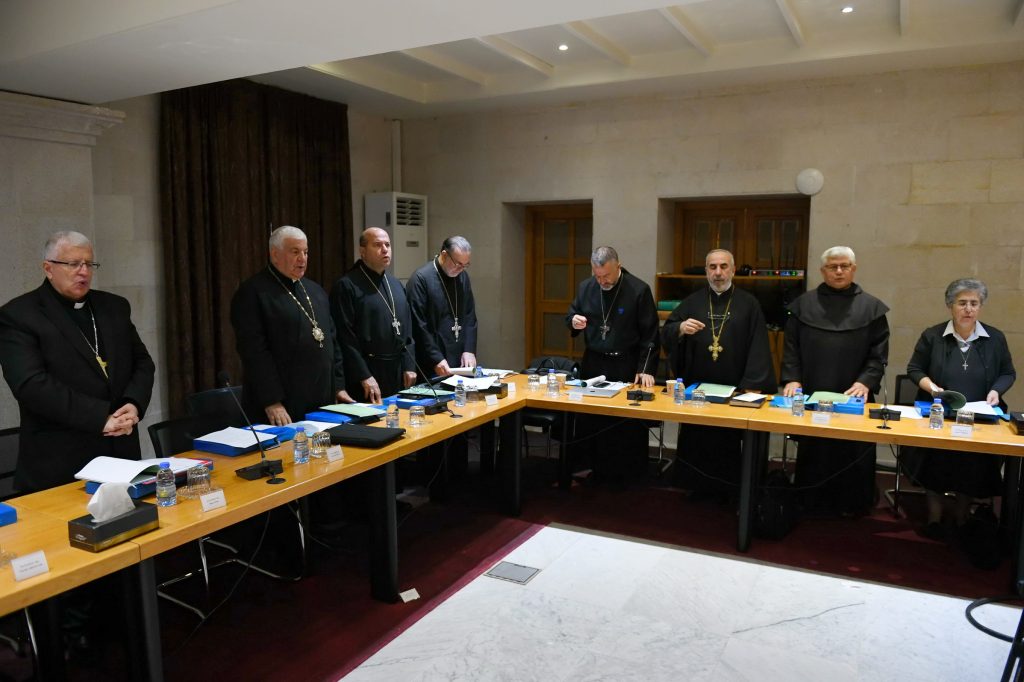
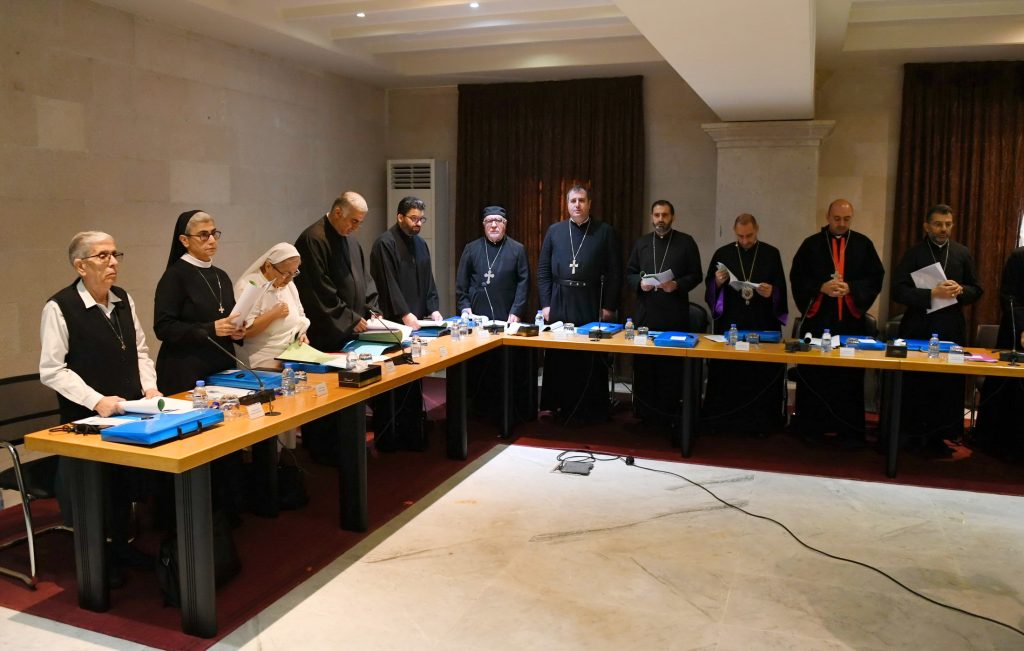
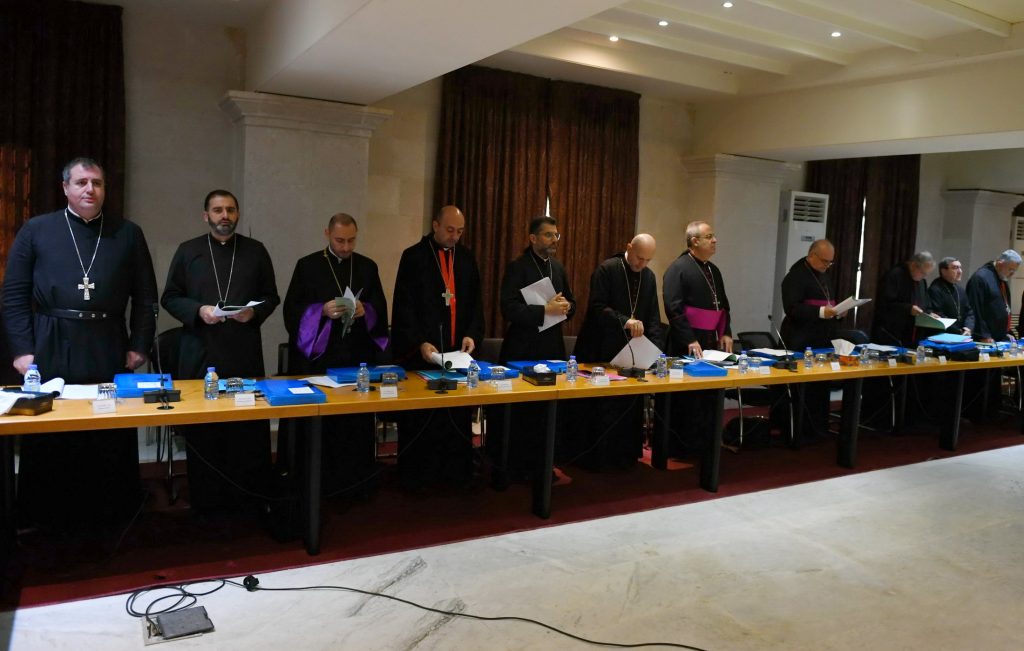
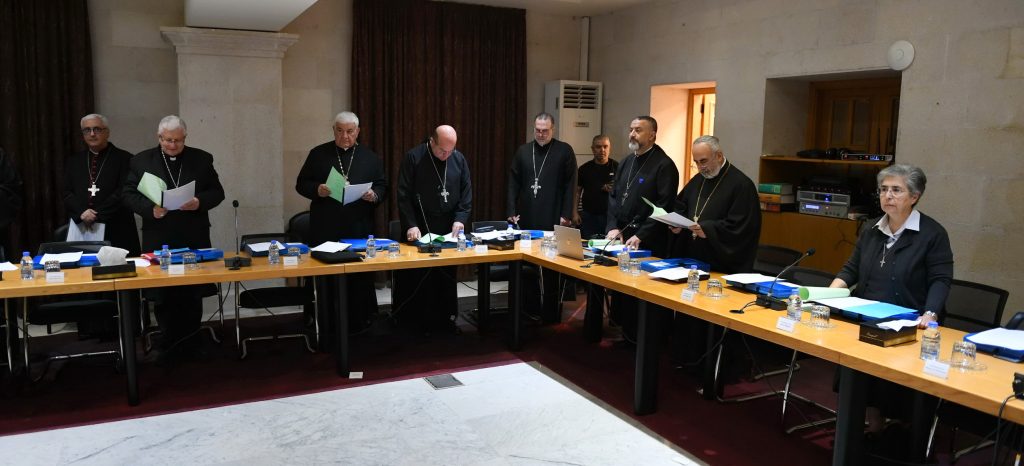
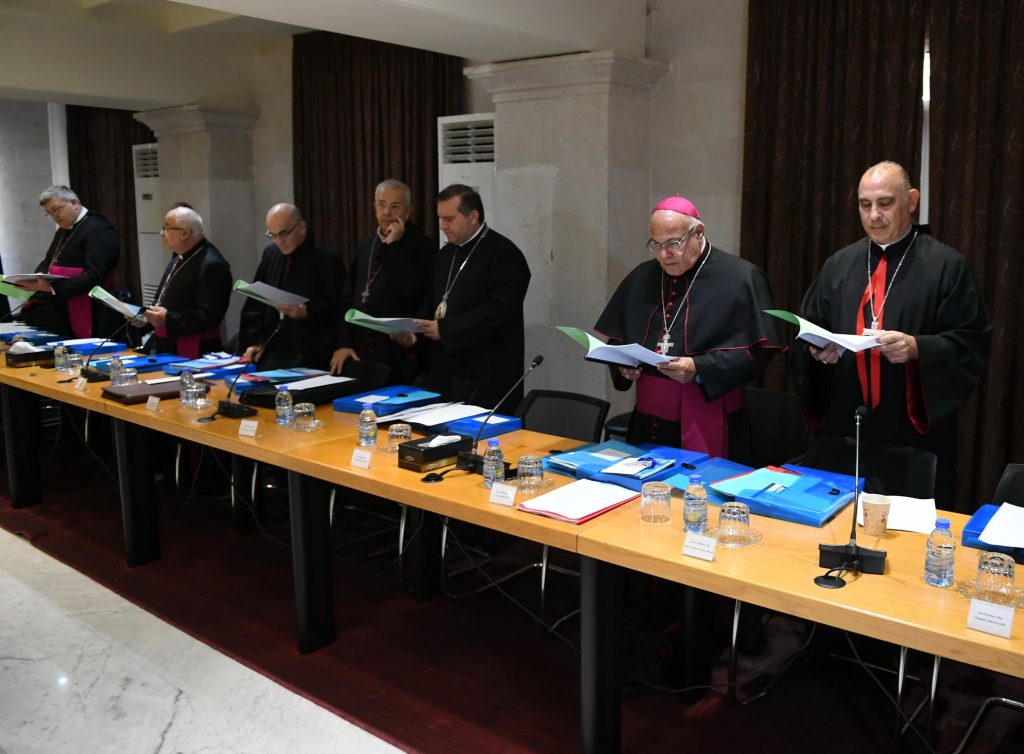
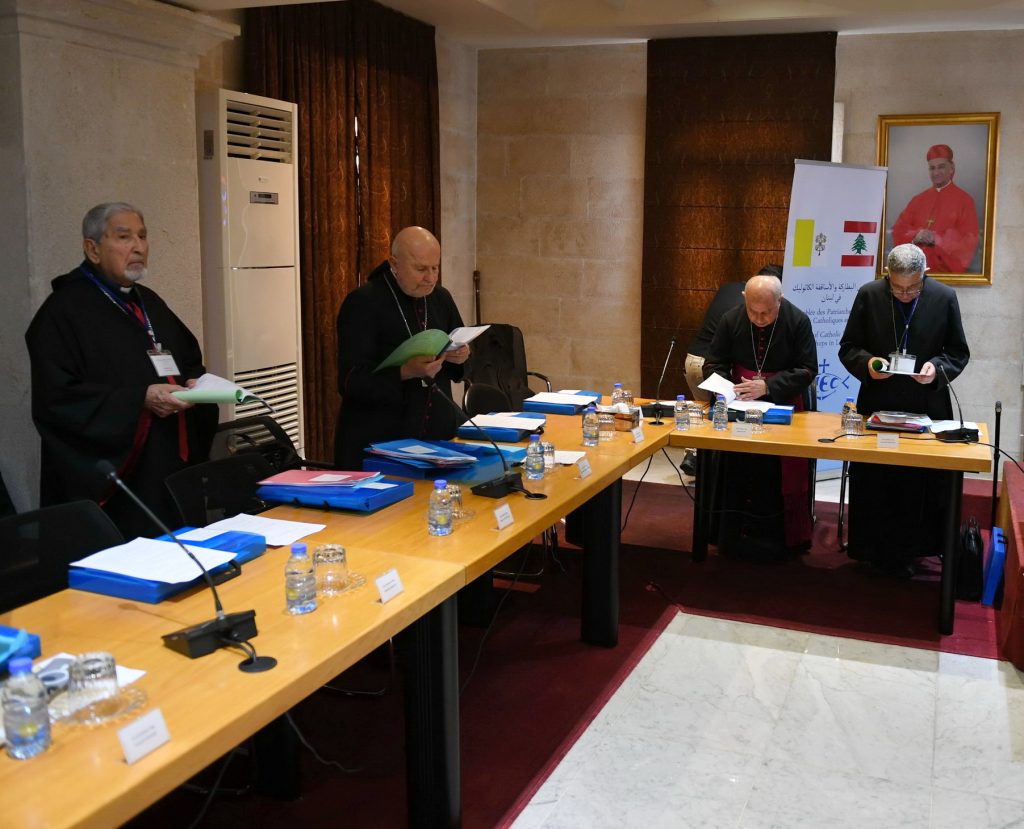
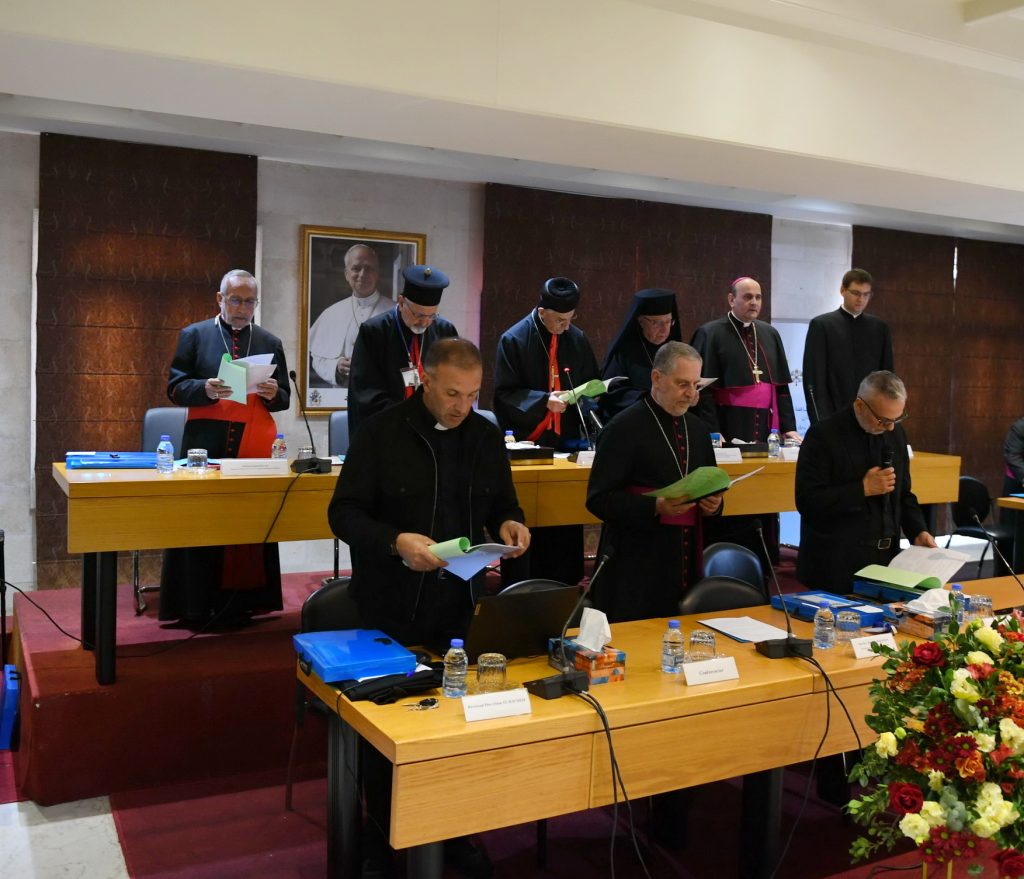
- نهار الاثنين في العاشر من تشرين الثاني 2025، افتتح مجلس البطاركة والأساقفة الكاثوليك في لبنان دورته العاديّة الثامنة والخمسين في المقرّ البطريركي الماروني في بكركي، وتستمرّ أعمالها حتّى الرابع عشر من الشهر الجاري.
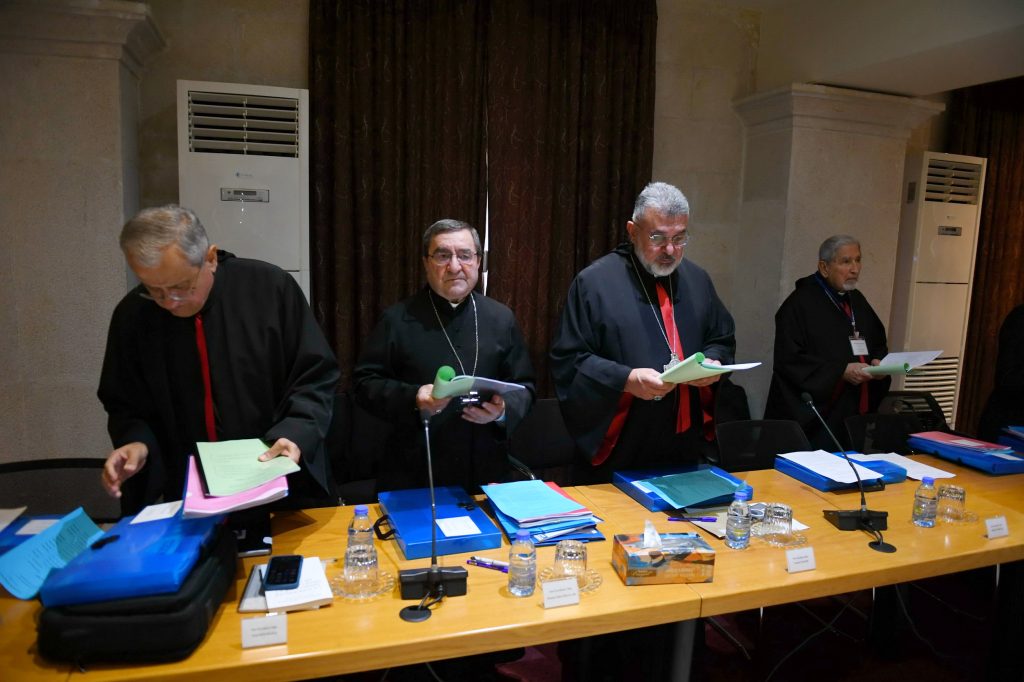
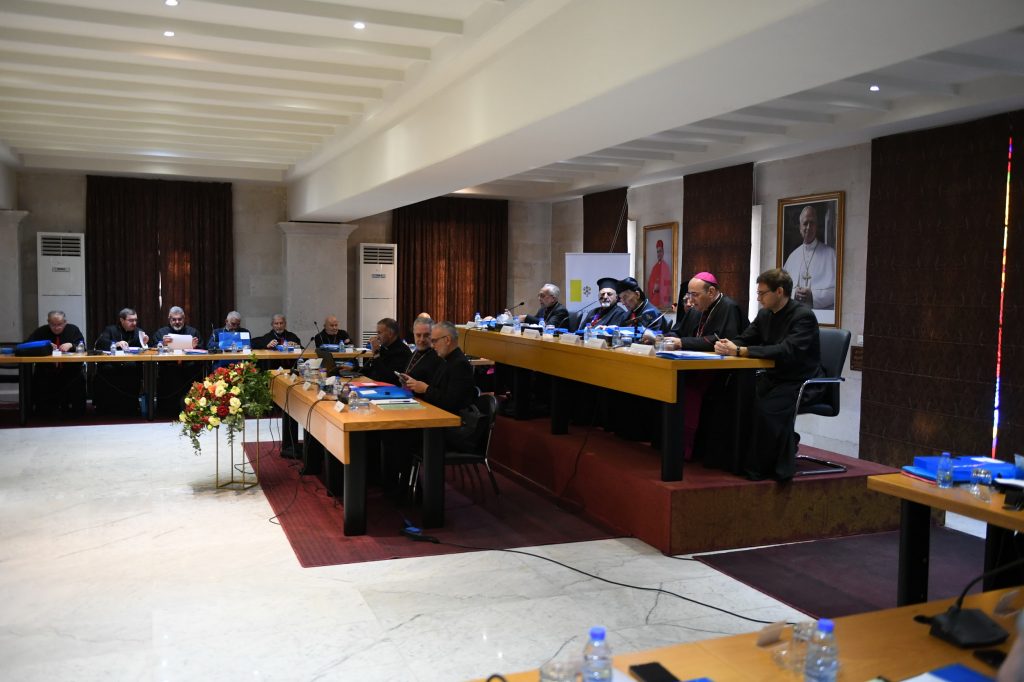
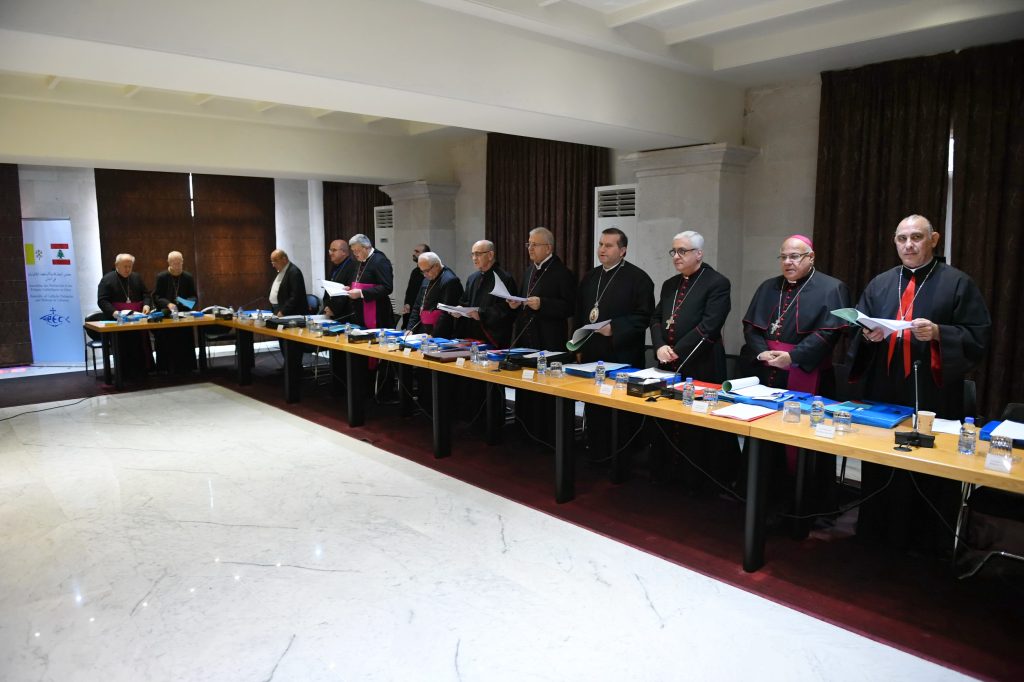
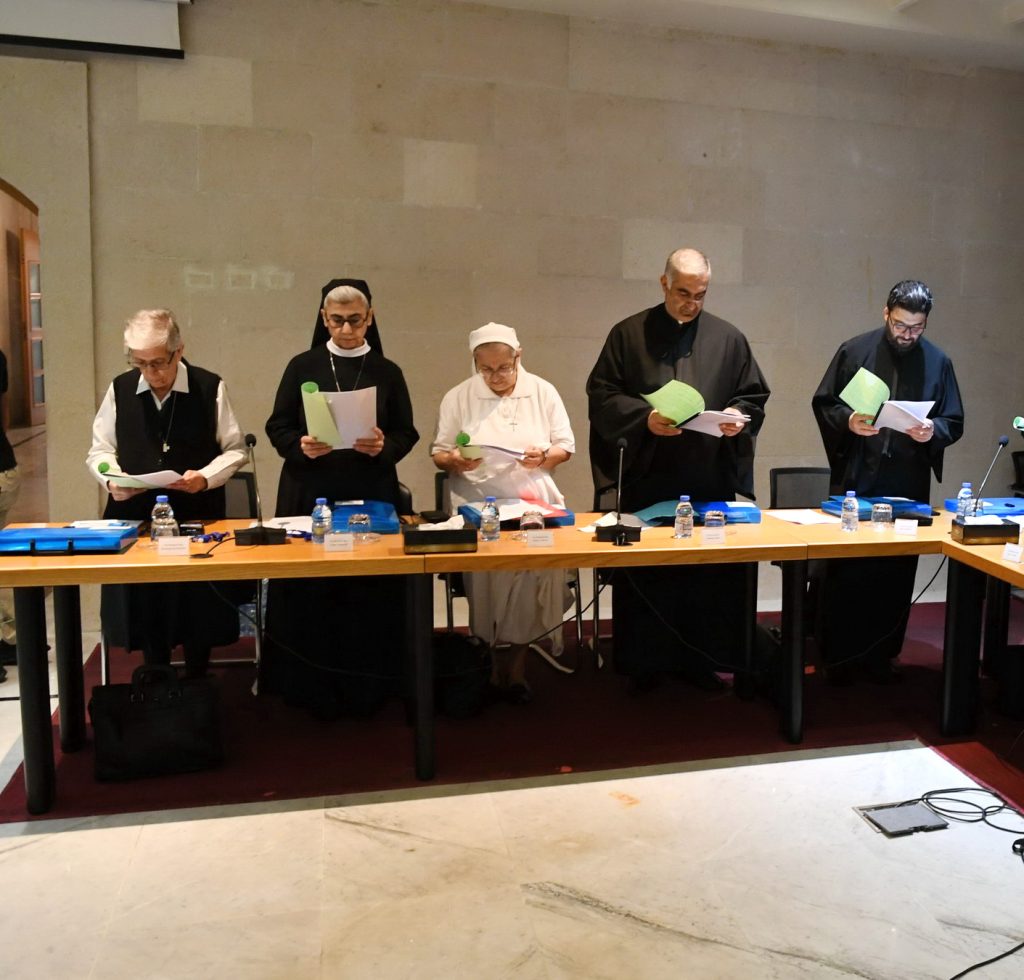
ترأّس الدورة رئيس المجلس، صاحب الغبطة والنيافة الكاردينال مار بشارة بطرس الراعي، بطريرك أنطاكية وسائر المشرق للموارنة، بمشاركة أصحاب الغبطة البطاركة: مار اغناطيوس يوسف الثالث يونان، بطريرك السريان الأنطاكي؛ ومار يوسف العبسي، بطريرك أنطاكية وسائر المشرق للروم الملكيين الكاثوليك؛ ومار روفائيل بيدروس الحادي والعشرين، كاثوليكوس بطريرك بيت كيليكيا للأرمن الكاثوليك؛ وأصحاب السيادة مطارنة الكنائس الكاثوليكية في لبنان؛ وقدس الآباء الرؤساء العامين والإقليمين ؛ ومكتب الرئيسات العامّات للرهبانيّات النسائيّة؛ والأمين العام للمجلس.
وشارك في الجلسة الافتتاحيّة سعادة السفير البابوي في لبنان المطران باولو بورجيا، وسكرتير السفارة البابوية المونسنيور جاكوب توماس ذيوسكي.
- كلمة صاحب الغبطة رئيس المجلس
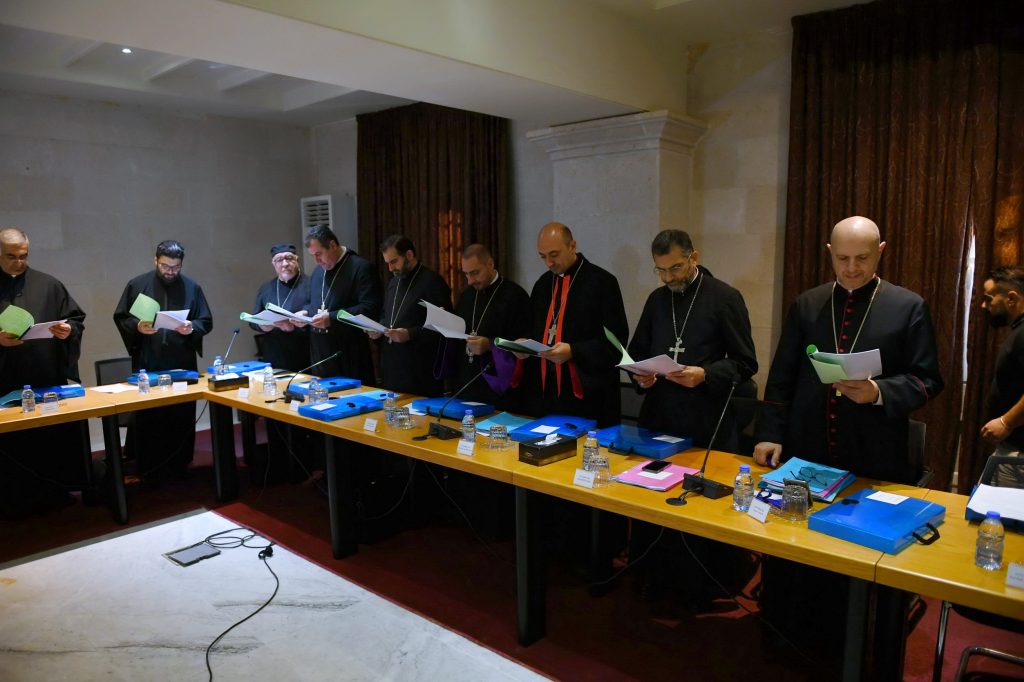
استهلّ صاحب الغبطة والنيافة الجلسة بالصلاة، مستلهمًا أنوار الروح القدس لهذه الدورة التي تحمل عنوان: “نحو كنيسة أكثر سينودسيّة تُصغي بإيمان، وتُميّز بحكمة، وتتحرّك بإلهام الروح القدس “.
ثمّ رحّب بالأعضاء الجدد المنضمّين إلى المجلس، وشكر الذين أنهوا خدمتهم فيه، وعرض جدول أعمال الدورة الذي يتضمّن:
- محادثة روحيّة حول موضوع الدورة الأساسي؛
- إقرار النظام الداخلي الجديد للمجلس مع آليّة التنفيذ وتشكيل اللجان الأسقفيّة واللجان المختصّة الجديدة؛
- دراسة النظام الداخلي للجنة المختصّة بحماية القاصرين والبالغين الضعفاء؛
- شؤون إداريّة وانتخابات؛
- وفي اليوم الأخير، احتفالية مرور 1700 عام على مجمع نيقية.
كما عبّر صاحب الغبطة عن الفرح الكبير بالزيارة الرسولية المرتقبة لقداسة البابا لاوون الرابع عشر إلى لبنان، ودعا إلى قرع الأجراس في جميع الكنائس والأديار الكاثوليكيّة في لبنان عند وصول قداسته إلى مطار رفيق الحريري الدولي في بيروت، يوم الأحد 30 تشرين الثاني، الساعة 15:45 (الرابعة إلا ربعًا بعد الظهر)، ولمدّة خمس دقائق.
ودعا أيضًا إلى إقامة ثلاثيّة صلاة وسجود للقربان المقدّس في أيّام الخميس 27، والجمعة 28، والسبت 29 تشرين الثاني، على نيّة نجاح الزيارة الرسولية، والتماس نعمة إحلال السلام العادل والدائم في لبنان وبلدان الشرق الأوسط.
- كلمة سعادة السفير البابوي في لبنان المطران باولو بورجيا
ألقى سعادة السفير البابوي المطران باولو بورجيا كلمةً شكر فيها دعوته للمشاركة في افتتاح الدورة، ونقل تحيّات وبركة قداسة البابا لاوون الرابع عشر، معبّرًا عن رابطة الشركة والمحبّة التي تجمع الكنائس الكاثوليكية في لبنان بكنيسة روما.
وأشار إلى أنّ الشعار «طوبى لفاعلي السلام» الذي اختارته الكنيسة في لبنان لاستقبال الأب الأقدس، يُعبّر عن رسالة الرجاء التي تحملها زيارته الرسولية الأولى إلى لبنان، متمنّيًا أن تساعد هذه الزيارة لبنان وسائر بلدان الشرق الأوسط على إيجاد السلام المنشود.
ونوّه سعادته بالمبادرات العمليّة التي قامت بها الكنائس والأبرشيّات والرعايا والرهبانيّات ومؤسّساتها التربويّة والصحيّة والاجتماعيّة خلال الحرب الأخيرة، للوقوف إلى جانب المواطنين المهجّرين والنازحين، داعيًا إلى مواصلة هذه الجهود بروح سينودسيّة وتعاون أكبر.
ثمّ عرض الخطوط العريضة لبرنامج زيارة قداسة البابا، الذي يتضمّن لقاءات بروتوكوليّة ورعويّة، ولقاءات مسكونيّة وحواريّة بين رؤساء الطوائف الدينيّة في لبنان، تعكس صورة هذا الوطن كبلدٍ تعدّديٍّ ومتنوّعٍ مدعوٍّ ليكون نموذجًا للعيش المشترك والاحترام المتبادل.
وتوقّف سعادته عند محطّتين مميّزتين في الزيارة:
- زيارة مستشفى دير الصليب، التي أرادها البابا علامة تضامنٍ مع المتألّمين وذوي الاحتياجات الخاصّة، في لبنان وفي الشرق الأوسط كلّه؛
- الزيارة إلى ضريح القدّيس شربل في عنايا، حيث يُعتبر القدّيس شربل اليوم رمزًا للبنان إلى جانب شجرة الأرز، وتُرفع إليه الصلوات من مؤمنين من مختلف الديانات.
- زيارة خاصة ووفقة صامتة الى مرفأ بيروت للصلاة على نية الضحايا، ومن ثم سينتقل للاحتفال بالذبيحة الإلهية على واجهة بيروت البحرية.
وبطلب من سيادة المطران ميشال عون، راعي أبرشية جبيل المارونية، وآباء دير مار مارون عنّايا، حيث يوجد ضريح القديس شربل، سيتمّ إعلان هذا المزار، مزارًا وطنيًّا بعد إعداد نظامه الداخلي والموافقة عليه، تمهيدًا لرفعه إلى الكرسي الرسولي لاعتماده مزارًا دوليًّا لاحقًا.
- بعدها، رفع المجتمعون برقيّة إلى قداسة البابا لاون الرابع عشر، عبّروا فيها عن فرحهم بالزيارة الرسولية المرتقبة، وأعلموه بافتتاح أعمال دورتهم، ملتمسين بركته الرسولية.
بعد استراحة قصيرة، عُقدت الجلسة الثانية التي خُصّصت لعرض التقرير السنوي لأعمال الهيئة التنفيذيّة وهيئة الأمانة العامّة، والتقرير المالي للمجلس.
واختُتمت أعمال اليوم الأوّل بالصلاة عند الساعة 13:30 ظهرًا.
ثمّ قدّم سيادة المطران حنّا علوان عرضًا مفصّلًا عن نظام السياسات والإجراءات القانونيّة المتعلّقة بالتعامل مع الادّعاءات حول الاعتداءات الجنسيّة على القاصرين والبالغين الضعفاء من قِبَل الإكليريكيّين والعلمانيّين العاملين في الكنائس الكاثوليكيّة في لبنان، وهو النظام الذي أعدّته اللجنة الأسقفية المختصّة.
وعند الساعة 13:00 تمّ إطلاق الموقع الإلكتروني الجديد للمجلس www.apecl.org بحلّته الجديدة بعد تحديثه وتطويره.
الأب جان يونس، م.ل.
الأمين العام
البيان الختامي
بكركي، الجمعة 14 تشرين الثاني 2025
مقدمة
- عقد مجلس البطاركة والأساقفة الكاثوليك في لبنان دورته السنوية العادية الثامنة والخمسين في الصرح البطريركي في بكركي من العاشر إلى الرابع عشر من شهر تشرين الثاني 2025، برئاسة صاحب الغبطة والنيافة الكاردينال مار بشاره بطرس الراعي، بطريرك أنطاكيه وسائر المشرق للموارنة، وبمشاركة أصحاب الغبطة البطاركة مار اغناطيوس يوسف الثالث يونان، البطريرك الانطاكي للسريان الكاثوليك، ومار يوسف العبسي، بطريرك أنطاكيه وسائر المشرق للروم الملكيين الكاثوليك، ومار روفائيل بيدروس الحادي والعشرين، كاثوليكوس بطريرك كيليكيا للأرمن الكاثوليك، وأصحاب السيادة مطارنة الكنائس الكاثوليكية، وقدس الرؤساء العامين والرؤساء الإقليميين، ومكتب الرئيسات العامات للرهبانيات النسائية والأمين العام للمجلس. شارك في الجلسة الافتتاحية سعادة السفير البابوي في لبنان سيادة المطران باولو بورجيا.
- افتتح الدورة صاحب الغبطة والنيافة رئيس المجلس بالصلاة. ثم ألقى كلمة رحّب فيها بالأعضاء الجدد وعرض الموضوع العام للدورة وهو بعنوان: « نحو كنيسة أكثر سينودسية تصغي بإيمان، وتميّز بحكمة، وتتحرّك بإلهام الروح ».
وفصّل المواضيع الأخرى التي سيناقشها أعضاء المجلس، وهي: زيارة قداسة البابا لاون الرابع عشر إلى لبنان، نظام السياسات والإجراءات القانونيّة المختصة بحماية القاصرين والبالغين الضعفاء، والنظام الداخلي الجديد للمجلس مع آلية تنفيذه وتشكيل اللجان الأسقفية واللجان المختصة الجديدة، واحتفالية مجمع نيقيا، والجمعية العمومية لرابطة كاريتاس لبنان. وختم داعيًا إلى قرع الأجراس في جميع الكنائس والأديار الكاثوليكية في لبنان ساعة وصول قداسة البابا إلى بيروت يوم الأحد 30 تشرين الثاني وإلى إقامة ثلاثية صلاة وسجود للقربان المقدس أيام 27 و28 و29 تشرين الثاني على نية نجاح زيارة قداسة البابا، والتماس نعمة إحلال السلام العادل والدائم في لبنان وبلدان الشرق الأوسط.
ثم ألقى سعادة السفير البابوي كلمة نقل فيها تحية قداسة البابا لاون الرابع عشر وعاطفته واهتمامه بلبنان وشعبه بعبارة « السلام معكم، سلام المسيح المائت والقائم من الموت »، وهي عبارة حيّا فيها المؤمنين فور انتخابه في 8 أيار 2025. وفصّل سعادته محطات زيارة قداسة البابا إلى لبنان وشرح معانيها ورموزها طالبًا الصلاة كي تساعد هذه الزيارة على إحلال السلام في لبنان ومنطقة الشرق الأوسط.
وبعد كلمات الافتتاح، وجّه صاحب الغبطة والنيافة باسم المجلس برقية إلى قداسة البابا لاون الرابع عشر أطلعه فيها على أعمال الدورة طالبًا بركته الرسولية بانتظار زيارته المرتقبة إلى لبنان.
أولاً، موضوع الدورة: «نحو كنيسة أكثر سينودسية تصغي بإيمان، وتميّز بحكمة، وتتحرّك بإلهام الروح»
- استمع أعضاء المجلس إلى مداخلة لسيادة المطران بولس روحانا قال فيها إن موضوع الدورة يندرج في مسيرة تقبّل الوثيقة الختامية لسينودس الأساقفة عن السينودالية التي صدرت في 26 تشرين الأول 2024، ووافق عليها قداسة البابا الراحل فرنسيس وسمح بنشرها ووضعها في متناول شعب الله لأنه لن يُصدر إرشادًا رسوليًا فيها وذلك لاعترافه بقيمة العمل السينودسي الذي أنجز خلال السنوات الثلاث وقد أراد بذلك أن يسلّمه من خلال الوثيقة الختامية الى شعب الله.
ثم شرح التعابير الأربعة التي تشكّل عنوان الموضوع العام ووصل إلى خلاصة قال فيها: السينودالية هي عنصر مكوِّن للكنيسة. علينا إذًا أن نرمّمها في كنائسنا وأبرشياتنا ورهبانياتنا ومؤسساتنا وأن نعتمد منطقًا تشاركيًا. فنقوم بفعل توبة واهتداء ونشرك شعب الله، أي جميع المعمدين، في حياة الكنيسة عبر التشاور والحوار والتمييز بغية الوصول إلى القرار المناسب، وعلينا أن نعتبر أن كل خدمة في الكنيسة هي موهبة من الروح القدس وخدمة للأخوة في ضوء إنحناء يسوع لغسل أرجل تلاميذه.
ثم توزع أعضاء المجلس على حلقات حوار بحسب طريقة المحادثة بالروح القدس حول أربعة عناوين من الوثيقة الختامية: التمييز الكنسي في سبيل الرسالة (عدد 81 و82)؛ المؤسسات التربوية أماكن شهادة نبوية (عدد 146 و147)؛ الكنيسة جماعة إصغاء وخدمة: مؤسسات خدمة المحبة (عدد 47 و48)؛ في العالم وليس من العالم: كنيسة رسولية وإرسالية (عدد 111 و112).
ثانيًا، الدليل الكنسي في شأن حماية الأطفال والقاصرين والبالغين الضعفاء
- استمع الآباء إلى مداخلة سيادة المطران حنا علوان رئيس اللجنة الأسقفية لحماية الأحداث والبالغين الضعفاء بعنوان: « نظام السياسات والإجراءات القانونية حيال الإدّعاءات بالاعتداء الجنسي على القاصرين والبالغين الضعفاء من قِبَل الإكليريكيين والعلمانيين الموظفين في الكنائس الكاثوليكية في لبنان »، شرح فيها النظام الكنسي بأقسامه السبعة ومواده التي يفوق عددها المائة. ثم توقّف عند مهام وصلاحيات اللجنة الأسقفية التي تعتبر المرجع المركزي الموحَّد لكل الكنائس الكاثوليكية في لبنان، وطلب من أعضاء المجلس الموافقة بالتصويت على الخطوط العريضة التالية:
- نظام سياسة مجلس البطاركة والأساقفة لحماية القاصرين
- نظام متطلّبات المسؤولية في الخدمة الكنسية ونظام قواعد السلوك الأخلاقية
- ضرورة إدخال برامج تثقيفية وتربوية وقائية في المؤسسات الكنسية والإكليريكيات والرهبانيات
- أن تسلّم كل الشكاوى إلى اللجنة الأسقفية التي تهتم بحلّها أو أن يُترك الى كل رئيس كنسي أن يبتّ فيها، على أن يستعين بخدمات اللجنة الأسقفية.
ثالثًا، النظام الداخلي الجديد لمجلس البطاركة والأساقفة الكاثوليك في لبنان
- استمع الآباء إلى مداخلتين لسيادة المطران ميشال عون وسيادة المطران إيلي بشاره حداد عرضا فيهما أهم التعديلات التي أُدخلت على نظام مجلس البطاركة والأساقفة الكاثوليك في لبنان والتي سبق أن نوقشت في الدورة السابعة والخمسين للمجلس، والتي أخذت في الاعتبار الوثيقة الختامية لسينودس الأساقفة عن السينودالية. وتوسّعا في شرح الهيكلية الجديدة التي تقضي بجمع اللجان السبعة عشر المنبثقة من المجلس، والتي سيطلق عليها إسم « اللجان المختصة »، بخمس لجان يطلق عليها إسم « اللجان الأسقفية ».
كلّف المجلس الهيئة التنفيذية متابعة دراسة هذا النظام بناء على الملاحظات التي وردت في المناقشةالعامة.
رابعًا، احتفالية مجمع نيقيه
- شارك أعضاء المجلس في احتفالية الذكرى المئوية السابعة عشرة لمجمع نيفيه (325-2025) التي دعت إليها لجنة العلاقات المسكونية واللجنة اللاهوتية والكتابية في مجلس البطاركة والأساقفة الكاثوليك في لبنان بمشاركة مجلس كنائس الشرق الأوسط حول عنوان « مقاربة للاهوت مجمع نيقيه كإرث كنسي مشترك ». تضمّن الاحتفال في القسم الأول طاولتين مستديرتين تكلم فيهما: سيادة المطران جوزف معوض (عن العائلة الكاثوليكية) والمتروبوليت أنطونيوس الصوري (عن العائلة الأرثوذكسية) وسيادة المطران بولس سفر (عن العائلة الأرثوذكسية الشرقية) والقس الدكتور جورج صبرا (عن العائلة الإنجيلية). وفي القسم الثاني شارك أعضاء المجلس بصلاة مسكونية.
خامسًا، خلاصات عامة
تداول المشاركون في المواضيع المطروحة في حلقات حوار مصغّرة وجلسات عامة، وأبدوا آراءهم وملاحظاتهم واقتراحاتهم، وتوصّلوا إلى الخلاصات التالية:
- في الشأن الكنسي
- ينتظر أعضاء المجلس بفرح زيارة قداسة البابا لاون الرابع عشر إلى لبنان ويرحبون به رسول رجاء وسلام تحت شعار « طوبى لفاعلي السلام ». ويتمنّون أن تسهم هذه الزيارة في ترسيخ وجودهم في الأرض التي تجسّد فيها السيد المسيح ومات على الصليب وقام من بين الأموات وأن تثمر عملاً جادًا على وضع حدّ للحروب ونشر السلام العادل والشامل والدائم في لبنان وبلدان الشرق الأوسط، هذا السلام الذي وضعه قداسة البابا لاون في أولويات حبريّته. ويدعون أبناءهم وبناتهم واللبنانيين جميعًا إلى الانخراط في حركة الاستعداد الكنسي والوطني والى المشاركة الفعلية وقرع الأجراس وتكثيف الصلوات سائلين الله أن يجعل من هذه الزيارة التاريخية مناسبة يعود فيها جميع اللبنانيين إلى التوبة والمصالحة والمحبة ويلتزمون معًا بإعادة بناء لبنان الوطن الرسالة.
- يتبنّى أعضاء المجلس السينودالية نهجًا وسلوكًا ونمط حياة، إذ هي من صلب تراثهم الشرقي وتقوم على الإصغاء والحوار والتمييز. ويعملون على تعميمها في كنائسهم وابرشياتهم ورهبانياتهم ومؤسساتهم ومجالسهم والهيئات الكنسية باعتماد طريقة المحادثة بالروح القدس. وهم مقتنعون أن هذا النهج السينودسي يساعدهم على التوبة والاهتداء والتحوّل المطلوب في الذهنيات والسلوكيات بهدي الروح القدس للتعاطي مع بعضهم بانفتاح واحترام وتحمّل المسؤولية المتمايزة والمشتركة مع شعب الله، فيؤدّون شهادتهم للمسيح وللقيم الإنجيلية في المحبة والمغفرة والمصالحة التي ينتظرها منهم إخوتهم غير المسيحيين.
- يأسف الآباء لتردّي الأوضاع المعيشية نتيجة الأزمات الاقتصادية والمالية والتربوية والاستشفائية التي لا يزال يعاني منها أولادهم في لبنان وفي الجنوب بنوع خاص، ولا سيما في ظل عجز المؤسسات الحكومية والرسمية عن القيام بواجباتها لتسهيل حياة المواطنين والحفاظ على كرامتهم.
وفي مواجهة هذه التحديات، يطالب أعضاء المجلس الدولة بتحمّل مسؤولياتها كاملة بدعم المؤسسات التربوية والصحية والاجتماعية المجّانية، ودفع مستحقاتها لها لكي تستمرّ في رسالتها في خدمة الإنسان.
ويعملون، من جهة ثانية، على تكثيف جهودهم مع الأبرشيات والرهبانيات لكي تقوم بما يلزم حتى لا يُحرم اي راغب علمٍ من التعلّم وأي مريض من الاستشفاء بسبب ضيق الأحوال الاقتصادية.
ويؤكدون وقوفهم إلى جانب شعبهم وأنهم سيعملون كما عملوا في السابق على تقديم كل المساعدات الممكنة عبر مؤسساتهم الكنسية المختصة، التي تسعى إلى الشهادة المسيحية في خدمة المحبة، وبالتعاون مع أبنائهم في الانتشار والهيئات العالمية المانحة.
- في الشأن الوطني
- يعاني لبنان اليوم أزمة هوية ودور ورسالة ومصير. وذلك نتيجة خمسين سنة من الصراعات والحروب وتقصير الدولة في أداء دورها، وفقدان القيم والأخلاق، والانهيار المالي والفساد والجرائم وانعدام المحاسبة، وعدم احترام الدستور والقوانين، وتمسّك بعض المسؤولين بمصالحهم الشخصية.
يقدّر أعضاء المجلس الجهود التي يقوم بها فخامة رئيس الجمهورية ورئيس مجلس النوّاب ورئيس مجلس الوزراء، في إجراء الاصلاحات الهيكلية الأساسية التي من شأنها أن تخرج لبنان من دوامة الإنهيار. وهي تتجلّى في النقاط التالية: أولوية إعادة الودائع كاملةً، تنفيذ كامل وتام للقرار 1701 بدعم الدول الصديقة، حصر السلاح بيد الدولة، إصلاح الجسم القضائي واستقلاليته، إعادة الإعمار، إعادة هيكلة المصارف والدَيْن العام، إصلاح القطاع المصرفي.
ولكنهم يلاحظون تباطؤًا في تطبيق هذه الاصلاحات وتردّدًا في اتخاذ القرارات الحاسمة، ما يحول دون خرق الجدار المسدود واستعادة الثقة والاستقرار والأمان وبناء دولة القانون التي تحمي المواطنين وتعامل الجميع بالمساواة والعدل والإنصاف.
- يتابع أعضاء المجلس باهتمام كبير تسارع الأحداث والتطورات السياسية والديبلوماسية في الشرق الأوسط وكيف يمكن أن تنعكس تأثيراتها على لبنان. ويجدون في الدعم الدولي للبنان ولحكومته فرصة، لا يمكن أن تتكرر ويجب ألاّ تضيع، بل ينبغي أن يستفيد منها أركان الحكم، لا سيما رئيس الجمهورية ورئيس مجلس النواب ورئيس مجلس الوزراء والوزراء.
- يستغرب أعضاء المجلس المعالجة الناقصة وغير العادلة لحق اللبنانيين واللبنانيات في الانتشار في المشاركة في الانتخابات النيابية المقبلة أسوة بأخوتهم وأخواتهم المقيمين في الوطن الأم.
ويعتبرون أن تعطيل إدراج تعديل القانون رقم 44/2017 وتحديدًا المادتين 112 و122، على جدول أعمال مجلس النواب، وتأخير تطبيق حق الانتخاب الكامل، هو تراجع عن مبدأ المساواة في المواطنة بحسب الدستور، لأن الوطن يقوم بالمشاركة الكاملة بين أبنائه المقيمين والمنتشرين.
لذا فهم يطالبون المجلس النيابي بتحمّل مسؤولياته في اتخاذ القرار الذي يساوي بين اللبنانيين في حقوقهم وواجباتهم.
- وفي سياقٍ آخر، عبّر الآباء عن بالغ أسفهم لاستمرار سقوط الشهداء نتيجة الاعتداءات المتواصلة على الجنوب والبقاع من قبل الاحتلال الإسرائيلي، وإصراره على المضيّ في خرق الاتفاقيات الموقَّعة وعدم احترام سيادة لبنان.
- وجدّد أعضاء المجلس تأكيدهم أنّ التحقيق في انفجار مرفأ بيروت ليس قضيّة أفراد، بل قضيّة وطن بأسره. وإنّ تعطيل سير التحقيق يُصيب القضاء في أساسه ويمسّ كرامة العدالة. لذلك دعا الآباء جميع المسؤولين إلى تسهيل عمل القضاء وتأمين كل الشروط الضرورية لكشف الحقيقة وتحقيق العدالة المنشودة.
سادسًا: الجمعية العموميّة السنويّة العاديّة الثانية لرابطة كاريتاس لبنان
- افتتح صاحب الغبطة والنيافة رئيس المجلس الجمعيّة العموميّة السنويّة العادية الثانية لرابطة كاريتاس لبنان بكلمة شكر فيها عمل الرابطة برئاسة الأب ميشال عبّود الكرملي، رئيسها، مؤكّدًا أن رابطة كاريتاس لبنان تعمل بصفتها جهاز الكنائس الكاثوليكية الممثّلة في مجلس البطاركة والأساقفة الكاثوليك في لبنان في خدمة الشأن الاجتماعي.
ثم استمع المجلس مع أعضاء الجمعية العمومية للرابطة الى كلمة رئيسها الأب ميشال عبّود الذي عرض نشاطات الرابطة وبرامجها وإنجازاتها عن الفترة الممتدة من 1/1/2025 لغاية 30/6/2025، وموازنتها للفترة الممتدة من 1/1/2026 لغاية 31/12/2026، ونوّه بالجهد الجماعي لموظّفي كاريتاس ومجلس إدارتها، وبالعمل التطوّعي الذي يقوم به بنوع خاص فرع شبيبة كاريتاس.
ناقشت الجمعية العمومية التقارير المعروضة وصوّتوا على موازنة 2026.
سابعًا، شؤون إدارية
- اطّلع أعضاء المجلس من الأمين العام الأب جان يونس على التقرير السنوي للهيئة التنفيذية والأمانة العامة للمجلس وعلى البيان المالي للعام 2024 – 2025. وأقرّوا موازنة العام 2025-2026.
- ثم عمدوا إلى ملء المراكز التي شغرت في المجلس ولجانه. فتمّ انتخاب:
- سيادة المطران يوسف سويف، رئيسًا للّجنة الأسقفيّة للمدارس الكاثوليكية.
- سيادة المطران منير خيرالله، رئيسًا للّجنة الأسقفيّة لوسائل الإعلام.
- سيادة المطران يوحنا رفيق الورشا، رئيسًا للّجنة الأسقفيّة لخدمة المحبّة.
- سيادة المطران الياس نصّار، رئيسًا للّجنة الأسقفيّة للعائلة والحياة.
- سيادة المطران اسحق جول بطرس، رئيسًا للّجنة الأسقفيّة لرسالة العلمانيين.
- حضرة المونسنيور هادي ضوّ، مرشدًا عامًا للحركة الرسوليّة المريميّة.
- حضرة الأب روبن مخّول الأنطوني، مرشدًا عامًا للعمل الرعوي الجامعي.
- قدس الأب الياس سليمان، نائبًا لرئيس اللجنة الأسقفيّة اللاهوتيّة والكتابيّة.
- حضرة الأرشمندريت أنطوان رزق، نائبًا لرئيس اللجنة الأسقفيّة لرسالة العلمانيين.
- حضرة الأم برناديت رحيّم، نائبًا لرئيس اللجنة الأسقفيّة للمدارس الكاثوليكية.
- حضرة الأم غلاديس صبّاغ، نائبًا لرئيس اللجنة الأسقفيّة لوسائل الإعلام.
- حضرة الأم إتيان جرجس، نائبًا لرئيس اللجنة الأسقفيّة للعائلة والحياة.
- ثم جدّد أعضاء المجلس لولاية ثانية للمراكز التالية:
- التجديد لسيادة المطران أنطوان بو نجم، رئيسًا للّجنة الأسقفيّة للتعليم المسيحي.
- التجديد لسيادة المطران مارون العمّار، رئيسًا للّجنة الأسقفيّة “عدالة وسلام”.
- التجديد لسيادة المطران سيزار إسّايان، رئيسًا للّجنة الأسقفيّة للتعاون الرسالي بين الكنائس ولراعوية المهاجرين والمتنقّلين.
- التجديد لسيادة المطران متّياس شارل مراد، ممثّلاً عن المجلس في المؤتمر القرباني العالمي.
- التجديد لسيادة المطران ايلي بشاره الحدّاد، عضوًا في اللجنة الأسقفيّة لكلية اللاهوت الحبرية.
خاتمة
- في ختام أعمال الدورة الثامنة والخمسين للمجلس، وبينما نحن نسير معًا حجّاج الرّجاء في السنة اليوبيلية، وبانتظار زيارة قداسة البابا لأون الرابع عشر، يتوجّه أعضاء المجلس الى أولادهم في كل لبنان وفي العالم، ويقولون لهم:
تعالوا نصلّي معًا ونسأل الله الآب السماوي، بنعمة ابنه الوحيد يسوع المسيح بهدي روحه القدوس، وبشفاعة العذراء مريم أم المسيح وأم الكنيسة وأم البشرية، أن يقود مسيرة كنيستنا السينودسية، فنعمل جميعنا، كلّ وفق دعوته ورسالته، نحن شعب الله الواحد، للسير معًا بالإصغاء المتبادل والحوار المنفتح والصريح والتمييز في ما نقرره معًا لمستقبل كنائسنا.
ونحن متأكدون أنّنا معًا ومع إخوتنا اللبنانيين نستطيع أن نستعيد دور لبنان الوطن الرسالة وحضوره الشاهد في العالم للحرية والعيش معًا في احترام التعدّديّة.
* * * * * *
Final Statement Bkerké, Friday, November 14, 2025
Introduction
1. The Assembly of Catholic Patriarchs and Bishops in Lebanon convened its 58th Annual Ordinary Session at the Patriarchal See in Bkerké from November 10 to 14, 2025. The gathering was presided over by His Beatitude and Eminence Cardinal Mar Bechara Boutros al-Rahi, Patriarch of Antioch and All the East of the Maronites. Participating alongside him were Their Beatitudes Patriarchs Mar Ignatius Joseph III Younan, Patriarch of Antioch of the Syriac Catholics; Mar Joseph Absi, Patriarch of Antioch and All the East of the Melkite Greek Catholics; Mar Raphael Bedros XXI, Catholicos Patriarch of Cilicia of the Armenian Catholics; as well as the bishops of the Catholic Churches, superiors general, regional superiors, the office of the superiors general of women’s religious orders, and the Secretary General of the Assembly. The Apostolic Nuncio to Lebanon, Archbishop Paolo Borgia, also attended the opening session.
2. His Beatitude and Eminence, serving as President of the Assembly, commenced the session with prayer. He then delivered an address extending a warm welcome to the new members and outlining the overarching theme of this assembly: “Toward a More Synodal Church that Listens with Faith, Discerns with Wisdom, and Acts by the Inspiration of the Spirit.” He elaborated on the key topics for discussion, including the forthcoming visit of His Holiness Pope Leo XIV to Lebanon, the policies and legal frameworks for the protection of minors and vulnerable adults, the reform of the Assembly’s internal regulations and mechanisms for their implementation, the formation of episcopal and specialized committees, the commemoration of the Council of Nicaea, and the General Assembly of Caritas Lebanon. He concluded by urging the ringing of bells in all Catholic churches and monasteries across Lebanon upon the arrival of His Holiness the Pope in Beirut on Sunday, November 30, and calling for a three-day period of prayer and Eucharistic adoration on November 27, 28, and 29—prayers dedicated to the success of the papal visit and to the grace of establishing just, enduring peace in Lebanon and the Middle East.
3. The Apostolic Nuncio then conveyed the sentiments, affection, and concern of His Holiness Pope Leo XIV for Lebanon and its people, offering the words: “Peace be with you, the peace of Christ, who died and rose from the dead,” a greeting he extended to the faithful immediately following the Pope’s election on May 8, 2025. He outlined the stages of the Pope’s upcoming visit to Lebanon, elucidating their spiritual significance and symbols, and solicited prayers that this visit may serve as a catalyst for peace in Lebanon and the broader Middle East.
4. Following the opening addresses, His Beatitude and Eminence, on behalf of the Assembly, dispatched a telegram to His Holiness Pope Leo XIV, informing him of the proceedings and requesting his apostolic blessing in anticipation of his forthcoming visit to Lebanon.
First: Theme of the Session“Toward a More Synodal Church that Listens with Faith, Discerns with Wisdom, and Acts by the Inspiration of the Spirit.”
5. The assembly members received a presentation from Bishop Paul Rouhana, who explained that the session’s theme aligns with the final document of the Synod of Bishops on synodality, issued on October 26, 2024, and approved by Pope Francis. Recognizing the value of the three-year synodal process, the Pope elected not to issue an apostolic exhortation. Bishop Rouhana emphasized that synodality is an essential, constitutive element of the Church, which must be revitalized within our churches, dioceses, religious orders, and institutions through a participatory approach. This process calls for conversion and repentance, engaging the entire People of God—namely, all the baptized—in the life of the Church through consultation, dialogue, and discernment to arrive at authentic, Spirit-inspired decisions. Every service within the Church must be regarded as a gift of the Holy Spirit and a service to others, exemplified by Christ’s act of humility in washing his disciples’ feet.
6. The assembly members then divided into dialogue groups based on the “conversation in the Holy Spirit” methodology, focusing on four themes derived from the final document:
Ecclesial discernment for mission (nos. 81–82)
Educational institutions as prophetic witnesses (nos. 146–147)
The Church as a community of listening and service: institutions of charity (nos. 47–48)
In the world but not of the world: an apostolic and missionary Church (nos. 111–112).
Second: Ecclesial Guidelines on Protecting Children, Minors, and Vulnerable Adults
7. Bishop Hanna Alwan, President of the Episcopal Committee for the Protection of Minors and Vulnerable Adults, presented on “System of Policies and Legal Procedures Regarding Allegations of Sexual Abuse of Minors and Vulnerable Adults by Clerics and Lay Employees in Catholic Churches in Lebanon.” He detailed the ecclesial framework, comprising seven sections and over one hundred articles. He highlighted the Committee’s responsibilities as the unified central authority overseeing all Catholic Churches in Lebanon and called for approval by vote on the following proposals:
The policy system of the Assembly of Patriarchs and Bishops for the protection of minors.
The responsibility and ethical standards governing church service.
The necessity of implementing educational and preventative programs in church institutions, seminaries, and religious orders.
That all complaints be directed to the Episcopal Committee, which will manage them, or otherwise handled by individual church leaders with the Committee’s support.
Third: New Internal Regulations of the Assembly
8. Bishops Michel Aoun and Elie Bishara Haddad presented the principal amendments to the internal regulations of the Assembly, previously discussed at the 57th session, reflecting considerations from the final document of the Synod of Bishops on synodality. They explained the restructuring, consolidating the original seventeen committees into five “episcopal committees,” with the remaining designated as “specialized committees.” The Assembly commissioned the Executive Board to further study these regulations based on the observations raised during the general discussion.
Fourth: Commemoration of the Council of Nicaea
9. The assembly participated in the celebration of the 1700th anniversary of the Council of Nicaea (325–2025), organized by the Ecumenical Relations Committee and the Theological and Biblical Committee of the Assembly, in collaboration with the Middle East Council of Churches. Under the theme: “Approach to the Theology of the Council of Nicaea as a Shared Ecclesial Heritage,” the event featured two round tables:
Bishop Joseph Mouawad (Catholic family)
Metropolitan Antonios Souri (Orthodox family)
Bishop Paul Safar (Oriental Orthodox family)
Rev. Dr. George Sabra (Evangelical family)The celebration concluded with an ecumenical prayer.
Fifth: Final Conclusions and Resolutions
The assembly engaged in small group and plenary discussions, expressing opinions, observations, and proposals, culminating in the following key resolutions:
A. Ecclesial Matters
10. The assembly members eagerly anticipate the visit of His Holiness Pope Leo XIV to Lebanon, viewing it as a message of hope and peace under the motto: “Blessed are the peacemakers.” They pray that this visit will bolster their presence in the land of Christ’s incarnation, death, and resurrection, and will bear fruit in ending conflicts and fostering lasting peace throughout Lebanon and the Middle East—an essential focus of the Pope’s pontificate. They call upon the faithful and all Lebanese to prepare ecclesiastically and nationally, to participate actively, ring bells, and intensify prayers, beseeching God to make this visit an occasion for repentance, reconciliation, love, and the rebuilding of Lebanon as a homeland of message and mission.
11. The assembly affirms the importance of synodality as a fundamental mode of life rooted in their Eastern Christian heritage—grounded in listening, dialogue, and discernment. They commit to propagating this approach across their churches, dioceses, religious orders, institutions, councils, and ecclesial bodies, employing the “conversation in the Holy Spirit” method. They are convinced that this synodal methodology fosters inner conversion, societal transformation, and openness, respecting the dignity of the People of God and bearing witness to Christ’s Gospel of love, forgiveness, and reconciliation.
12. The assembly members lament the worsening economic and social hardships, particularly affecting children in Lebanon, especially in the South, amidst governmental failure to uphold its responsibilities. They call on the state to assume its full obligations by supporting free educational, health, and social services, and ensuring timely payments to sustain their mission of service. They pledge to intensify efforts with dioceses and religious orders to prevent any child from being deprived of education or healthcare due to financial hardship. They reaffirm their solidarity and vow to continue aiding their people through ecclesial institutions, in cooperation with the diaspora and international partners.
B. National Matters
13. Lebanon currently faces a profound crisis of identity, purpose, and destiny—stemming from decades of conflict, governmental failures, loss of moral values, economic collapse, corruption, and disregard for the constitution. The assembly members commend the efforts of the President, the Speaker of Parliament, and the Prime Minister in pursuing essential structural reforms, including the full return of deposits, the complete implementation of Resolution 1701, the restriction of weapons to the state, judicial independence, and reforms in banking and public debt management. Nevertheless, they note delays and hesitations that hinder the breakthrough necessary to restore trust, stability, and justice.
14. The assembly is deeply concerned about the swiftly evolving regional landscape and its potential repercussions on Lebanon. They see in international support an invaluable opportunity and urge Lebanon’s leadership—especially the President, Parliament, and government—to seize this moment with resolve and prudence.
15. The assembly expresses profound disappointment regarding the incomplete and unjust handling of the rights of Lebanese expatriates to participate in upcoming parliamentary elections. They decry the obstruction of amendments to Law No. 44/2017, particularly Articles 112 and 122, and demand Parliament uphold its constitutional duty to ensure full electoral rights
Seventh: Administrative Matters
- The members of the Assembly were informed by the Secretary General, Father Jean Younes, of the annual report of the Executive Board and the General Secretariat of the Assembly, and of the financial statement for 2024–2025. They approved the budget for 2025–2026.
- They then proceeded to fill the vacant positions in the Assembly and its committees. The following were elected:
- Bishop Youssef Soueif, President of the Episcopal Committee for Catholic Schools.
- Bishop Mounir Khairallah, President of the Episcopal Committee for Media.
- Bishop John Rafic Al-Warcha, President of the Episcopal Committee for Charity Service.
- Bishop Elias Nassar, President of the Episcopal Committee for Family and Life.
- Bishop Isaac Jules Boutros, President of the Episcopal Committee for the Mission of the Laity.
- Monsignor Hadi Daou, General Chaplain of the Marian Apostolic Movement.
- Father Rouben Makhoul, General Chaplain of University Pastoral Work.
- Father Elias Sleiman, Vice President of the Theological and Biblical Episcopal Committee.
- Archimandrite Antoine Rizk, Vice President of the Episcopal Committee for the Mission of the Laity.
- Mother Bernadette Rhayem, Vice President of the Episcopal Committee for Catholic Schools.
- Mother Gladys Sabbagh, Vice President of the Episcopal Committee for Media.
- Mother Etienne Gerges, Vice President of the Episcopal Committee for Family and Life.
- The members of the Assembly renewed for a second term the following positions:
- Bishop Antoine Bou Najm, President of the Episcopal Committee for Christian Education.
- Bishop Maroun Ammar, President of the Episcopal Committee “Justice and Peace.”
- Bishop Cesar Essayan, President of the Episcopal Committee for Missionary Cooperation between Churches and for the Pastoral Care of Migrants and Travelers.
- Bishop Elie Beshara Haddad, member of the Episcopal Committee of the Pontifical Faculty of Theology.
- Bishop Matthias Charles Mrad, representative of the Council at the International Eucharistic Congress.
Conclusion
As the 58th session of the Assembly concludes, and as we walk together as pilgrims of hope during the Jubilee Year, while awaiting the historic visit of His Holiness Pope Leo XIV, the members of the Assembly address their children throughout Lebanon and the world, saying:
Let us unite in prayer and beseech God the Heavenly Father, through the boundless grace of His only Son, Jesus Christ, guided by His Holy Spirit, and through the intercession of the Virgin Mary, Mother of Christ, Mother of the Church, and Mother of humanity, to guide and sanctify the journey of our synodal Church.
Let each of us, according to our vocation and mission, strive as one People of God to walk together in mutual listening, in open and sincere dialogue, and in discerning the path forward for our Churches.
We are confident that, united with our Lebanese brethren and sisters, we can restore Lebanon’s noble role as a homeland of hope and message, and reaffirm its witness to the world—championing freedom and coexistence rooted in respect for diversity.
Communiqué Final Bkerké, le 14 novembre 2025
Introduction
1. L’Assemblée des Patriarches et des Évêques Catholiques au Liban (APECL) a tenu sa 58ème session annuelle ordinaire au siège patriarcal de Bkerké, du 10 au 14 novembre 2025, sous la présidence de Sa Béatitude Eminentissime Cardinal Béchara Boutros Rai, Patriarche d’Antioche et de tout l’Orient pour les Maronites. Étaient présents à cette session ses Béatitudes le Patriarche syriaque catholique Ignace Youssef Younan, le Patriarche grec-catholique melkite Youssef Absi, le Patriarche catholicos arménien catholique Raphaël Bedros Minassian, ainsi que les évêques catholiques, les supérieurs généraux et majeurs, ainsi que les supérieures générales membres du bureau permanent des ordres féminins. La séance d’ouverture a été honorée de la présence de Son Excellence Mgr Paolo Borgia, Nonce apostolique.
2. Sa Béatitude Eminentissime le président de l’Assemblée a ouvert la session par la prière. Dans son allocution introductive, il a souhaité la bienvenue aux nouveaux membres, puis a présenté l’ordre du jour, en précisant : « Notre session aura pour thème : « Vers une Église plus synodale, qui écoute avec foi, discerne avec sagesse, et agit sous la motion de l’Esprit-Saint ». Elle abordera également le directoire pour la protection des mineurs et des adultes vulnérables, le nouveau Règlement intérieur de l’APECL, la célébration du 1700ème anniversaire du Concile de Nicée, ainsi que l’Assemblée générale de Caritas Liban. Il a conclu en invitant à « sonner les cloches dans toutes les églises et monasteries catholiques du Liban lors de l’arrivée de Sa Sainteté le Pape Léon XIV à Beyrouth, le dimanche 30 novembre, à 15h45, pour une durée de cinq minutes, et à organiser des veillées de prière et d’adoration devant le Saint-Sacrement les 27, 28 et 29 novembre, afin de garantir le succès de la visite papale et d’implorer la grâce de la paix juste et durable pour le Liban et le Moyen-Orient. »
3. À son tour, Son Excellence Mgr Paolo Borgia a pris la parole pour transmettre à tous le salut du Saint-Père Léon : « Que la paix soit avec vous », ce même salut qu’il a adressé aux fidèles et au monde entier lors de son élection au Siège de Pierre, le 8 mai dernier. C’est la paix du Christ, mort et ressuscité, qui, par la force de l’amour, transforme les cœurs et change le monde, apportant vie et espoir là où la haine, la division, les conflits ou la guerre semblent tout dévorer. C’est cette paix que le Christ confie à ses disciples pour que celle-ci rayonne dans le monde. « Heureux les artisans de paix » est la devise choisie par l’Église libanaise pour accueillir le Saint-Père lors de son prochain voyage apostolique au Liban, premier de son pontificat. Que ces mots soient une prière et un vœu, afin que ce voyage contribue à aider le Liban et toute la région du Moyen-Orient à retrouver la paix tant espérée. »
Il a ensuite présenté le programme détaillé de la visite papale, en expliquant la symbolique de chaque étape, notamment le lieu de l’explosion du port de Beyrouth et la visite à Annaya, où pour la première fois, un pontife se rendra sur la tombe de Saint Charbel, pour prier pour le Liban et son Église. Il a enfin proposé à notre Assemblée de déclarer Annaya sanctuaire national, et de soumettre au Saint-Siège la demande de le hisser au rang de sanctuaire international.
Sa Béatitude Eminentissime, le président de l’Assemblée, a alors adressé, au nom de tous, un télégramme à Sa Sainteté le Pape Léon, pour l’informer de l’ordre du jour de la session et solliciter sa bénédiction apostolique en vue de sa prochaine visite au Liban.
Premièrement : Le thème de la session« Vers une Église plus synodale, qui écoute avec foi, discerne avec sagesse, et agit sous la motion de l’Esprit-Saint »
3. Les membres de l’Assemblée ont écouté l’intervention de Son Excellence Mgr Paul Rouhana, qui a introduit le thème de la session, inscrit dans le contexte de la démarche de réception du Document final de la XVIe Assemblée ordinaire du Synode des Évêques, sur la synodalité, tenue le 26 octobre 2024. Le Saint-Père François a ordonné la publication intégrale de ce document, sans publier d’exhortation post-synodale, ayant pleine confiance dans le travail accompli au cours de ces trois années. Il a également expliqué la signification des quatre termes du thème, soulignant que la synodalité constitue un élément fondateur de l’Église, qu’il convient de restaurer dans nos Églises, nos diocèses, nos ordres religieux et nos institutions, en adoptant une logique participative. La conversion des mentalités et des modes de vie, sous la motion de l’Esprit-Saint, implique la participation active de tout le peuple de Dieu, à travers la consultation, le dialogue et le discernement, afin d’aboutir à des décisions conformes à la volonté divine. Toute charge dans l’Église doit être considérée comme un charisme de l’Esprit, destiné au service fraternel, à l’image du lavement des pieds des disciples par Jésus.
Les participants ont ensuite été répartis en quatre groupes de travail, afin de prier et de réfléchir collectivement, selon la méthode de la conversation en l’Esprit, sur quatre thèmes issus du Document final : le discernement ecclésial en vue de la mission (n°81-82), les institutions éducatives comme lieux de témoignage prophétique (n°146-147), l’Église comme communauté d’écoute et de service (n°46-48), et une Église apostolique et missionnaire (n°111-112). La journée s’est conclue par une mise en commun.
Deuxièmement :
Le Directoire pour la protection des mineurs et des adultes vulnérables Présentation par Son Excellence Mgr Hanna Alwan
Les membres de l’Assemblée ont écouté Son Excellence Mgr Hanna Alwan, Vicaire patriarcal général chargé des affaires canoniques, qui a présenté « Le Règlement des politiques et des mesures canoniques contre les revendications d’abus sexuels à l’encontre des mineurs et des adultes vulnérables, commis par des clercs ou des employés des Églises catholiques au Liban ». Il a exposé les sept parties du règlement, composé de 102 canons, en insistant sur le rôle de la commission épiscopale, qui représente le recours unifié des Églises catholiques libanaises. Il a appelé les membres de l’Assemblée à voter sur les lignes directrices suivantes :
A. Le Règlement de la politique de l’APECL pour la protection des mineurs ;
B. Le Règlement des exigences de responsabilité dans le service ecclésial et les règles de conduite morale ;
C. L’intégration de cette politique dans les institutions ecclésiales, les séminaires et les noviciats ;
D. La procédure selon laquelle toutes les plaintes doivent être adressées à la commission épiscopale ou directement au supérieur ecclésiastique compétent, qui pourra faire appel à la commission.
Troisièmement : Le nouveau Règlement intérieur de l’APECL Interventions de S. Exc. Mgr Michel Aoun et S. Exc. Mgr Elie Haddad
Les membres ont écouté successivement S. Exc. Mgr Michel Aoun et S. Exc. Mgr Elie Haddad, qui ont présenté les modifications apportées au Règlement intérieur, en tenant compte du Document final du Synode des Évêques sur la synodalité. Ils ont notamment souligné la nouvelle organisation, regroupant les dix-sept commissions de l’APECL en cinq « Commissions épiscopales », désignées comme « Commissions spécialisées ». Après délibération, l’Assemblée a chargé le Comité exécutif d’approfondir l’étude du Règlement, en intégrant les remarques formulées durant la discussion.
Quatrièmement : La célébration du Concile de Nicée
Sur invitation de la Commission œcuménique et de la Commission théologique et biblique, en coordination avec le Conseil des Églises du Moyen-Orient, les membres de l’Assemblée, ainsi que les patriarches orthodoxes du Liban et le président de la Confédération des Églises évangéliques, ont participé à la célébration du 1700ème anniversaire du Concile de Nicée.
Leur réflexion, autour du thème « Une approche théologique du concile de Nicée comme patrimoine ecclésial commun », a été enrichie par quatre interventions : celles de S. Exc. Mgr Joseph Mouawad, évêque maronite de Zahlé ; S. Exc. Mgr Antonios Souri, métropolite grec orthodoxe de Zahlé ; S. Exc. Mgr Boulos Safar, archevêque syriaque orthodoxe de Zahlé ; et du Pasteur Georges Sabra, représentant la communauté évangélique. La célébration s’est conclue par une prière œcuménique, accompagnée de chants et de lectures en plusieurs langues : arabe, syriaque, grec et arménien.
Cinquièmement : Conclusions générales
Après les conférences et les débats, les membres de l’Assemblée sont parvenus aux conclusions suivantes :
A) La question sociale et ecclésiale7. Les membres de l’Assemblée, en célébrant avec espoir la venue de Sa Sainteté le Pape Léon XIV au Liban, souhaitent qu’elle soit une occasion de renforcer leur présence dans cette région, où Jésus-Christ est mort et ressuscité, et espèrent que cette visite portera ses fruits en contribuant à mettre fin aux guerres et à instaurer une paix juste et durable. Ils appellent tous les fils et filles du Liban à s’engager activement dans la préparation de cette visite, en sonnant les cloches et en multipliant les prières, afin que cet événement devienne une étape décisive de conversion et de réconciliation nationale.
Les membres adoptent la synodalité comme méthode de vie et de mission, intégrée dans leur patrimoine oriental, exigeant écoute, dialogue et discernement. Ils s’engagent à la promouvoir dans leurs Églises, diocèses, ordres religieux et institutions, par la « conversation en l’Esprit », convaincus qu’elle favorisera la conversion des mentalités et des modes de vie, sous la mouvance de l’Esprit-Saint, en vue d’un témoignage évangélique authentique de charité, de pardon et de réconciliation.
Ils déplorent la détérioration du pouvoir d’achat des Libanais, causée par les crises économiques, monétaires, éducatives et sanitaires, et dénoncent l’incapacité des institutions étatiques à remplir leurs devoirs fondamentaux. Ils exhortent l’État à assumer ses responsabilités en soutenant les secteurs de l’éducation, de la santé et du social, notamment par le paiement des arriérés, afin de garantir la dignité de chaque citoyen. De leur côté, ils s’engagent à renforcer leurs efforts, en collaboration avec leurs diocèses, leurs ordres religieux, la diaspora et les associations mondiales, pour que personne ne soit privé d’éducation ni de soins.
B) La question nationale10. Le Liban souffre d’une crise profonde d’identité, de rôle et de mission, consécutive à des décennies de conflits, d’instabilité, de perte de valeurs, d’effondrement monétaire, de corruption et d’impunité.
Les membres saluent les efforts du président de la République, du président du Parlement et du Premier ministre pour la mise en œuvre de réformes structurelles essentielles, telles que la restitution des dépôts bancaires, la mise en œuvre de la résolution internationale 1701, la centralisation des armes sous le contrôle de l’État, la réforme judiciaire et la restructuration économique. Ils constatent toutefois un retard dans leur application, qui compromet la stabilité, la sécurité et l’État de droit, ainsi que la justice, l’égalité et la dignité pour tous.
Ils suivent avec intérêt l’évolution de la situation politique et diplomatique au Moyen-Orient, craignant ses répercussions sur le Liban. Ils voient dans le soutien international une opportunité unique à saisir, en insistant sur la nécessité que les responsables libanais en tirent profit.
Ils dénoncent la manière inéquitable dont la classe politique traite la participation électorale des Libanais résidant à l’étranger, notamment en refusant d’inscrire dans la loi N°44/2017 certains amendements essentiels, tels que les articles 112 et 122. Ils appellent le président du Parlement et les députés à prendre leurs responsabilités pour garantir l’égalité citoyenne.
Ils expriment leur ferme condamnation des agressions israéliennes continues contre le Sud et la Békaa, ainsi que leur rejet du non-respect des accords signés et de la souveraineté libanaise.
Enfin, ils réaffirment que l’enquête sur l’explosion du port de Beyrouth n’est pas une affaire privée, mais une question nationale. Ils exhortent tous les responsables à faciliter le travail du juge d’instruction, afin de révéler la vérité et d’assurer la justice.
Sixièmement : Assemblée générale annuelle de Caritas Liban
15. Sa Béatitude le Patriarche Cardinal Béchara Raï, président de l’Assemblée, a ouvert les travaux de la seconde Assemblée générale annuelle de Caritas Liban. Le président de Caritas Liban, Père Michel Abboud, a présenté le rapport annuel, soulignant les activités et projets réalisés durant l’année, et remerciant les employés et volontaires pour leur dévouement. Les membres ont ensuite voté le budget pour l’année 2026.
Septièmement : Questions administratives
16. Les membres ont écouté le rapport annuel du Secrétaire général, ainsi que le rapport financier pour l’année 2024-2025. Ils ont ratifié le budget pour 2025-2026.17. Enfin, ils ont procédé à l’élection des postes vacants, élisant :
- S. Exc. Mgr Youssef SOUEIF président de la Commission épiscopale des Ecoles catholiques.
- S. Exc. Mgr Mounir KHAIRALLAH président de la Commission épiscopale pour els Communications sociales
- S. Exc. Mgr Youhanna Rafic EL WARCH président de la Commission épiscopale du Service de la charité.
- S. Exc. Mgr Elias NASSAR président de la Commission épiscopale pour la Famille et la Vie.
- S. Exc. Mgr Jules Ishac BOUTROS président de la Commission épiscopale pour l’apostolat des Jeunes.
- Mgr Hadi DAOU Aumônier général du Mouvement Apostolique Marial.
- le Père Roben MAKHOUL Aumônier la Pastorale Universitaire.
- Rev. Père Abbé Elias SLEIMAN Vice-président de la Commission épiscopale théologique et biblique.
- Rev. Archmandrite Antoine RIZK Vice-président de la Commission épiscopale pour l’Apostolat des Jeunes.
- Rev. Mère Bernadette RHAYYEM Vice-président de la Commission épiscopale des Ecoles catholiques.
- Rev. Mère Gladis SABBAGH Vice-président de la Commission épiscopale pour les Communications sociales.
- Rev. Mère Etienne GERGES Vice-président de la Commission épiscopale pour la Famille et la Vie.
18 – Ils ont ensuite renouvelé les mandats de :
- S. Exc. Mgr Antoine BOU NAJEM président de la Commission épiscopale de la Catéchèse.
- S. Exc. Mgr Maroun AMMAR président de la Commission épiscopale « Justice et Paix ».
- S. Exc. Mgr César ESSAYAN président de la Commission épiscopale pour la collaboration missionnaire entre les Eglises et la pastorale des migrants.
- S. Exc. Mgr Elie Béchara HADDAD membre de la Commission épiscopale pour la Faculté pontificale de Théologie.
- S. Exc. Mgr Charles Mattias MRAD représentant de l’Assemblée dans le Congrès mondial eucharistique.
Conclusion
19 – En conclusion des travaux de cette 58ème session de l’Assemblée, alors que nous cheminons ensemble, pèlerins de l’Espérance, en cette année jubilaire, et dans l’attente de la visite de Sa Sainteté le Pape Léon XIV, les membres de l’Assemblée s’adressent à leurs filles et fils au Liban et à travers le monde en leur disant :
Prions ensemble et implorons Dieu le Père céleste, par la grâce de son Fils Unique Jésus-Christ, et la motion de son Esprit-Saint, ainsi que par l’intercession de la Très Sainte Vierge Marie, Mère de Jésus, Mère de l’Église et Mère de l’humanité, afin qu’Il guide la démarche synodale de notre Église.
Nous, Peuple de Dieu, nous engageons, chacun selon sa vocation et sa mission, à marcher ensemble dans l’écoute mutuelle, le dialogue sincère et le discernement dans toutes nos décisions, pour l’avenir de nos Églises.
Nous sommes convaincus que, ensemble et avec nos frères libanais, nous pouvons redonner au Liban, Pays-message, son rôle essentiel, sa présence qui témoigne de la liberté et du vivre-ensemble, dans le respect de la diversité.
Que cette année jubilaire soit pour tous une étape de conversion, de réconciliation et de renouvellement, afin que l’amour du Christ, source de paix et d’espérance, illumine notre chemin commun.